PERMANENT MAKEUP · MISTAKES TO AVOID
Why didn't my permanent makeup take?
It's rarely one thing, and it's rarely hopeless.
Week one, your new brows looked almost too bold. Week two, they flaked and you panicked. Now it is week six, the holiday photos are coming, and the front of your left brow has nearly vanished while the tail looks fine. You type the message every artist knows: “Did it not take?” Before you blame your skin, the artist or yourself, here is what usually happened, what is normal, and what to do next.

Short answer: permanent makeup that heals lighter or patchier than the first day is common, and a first session is often only half the plan. The Society of Permanent Cosmetic Professionals (SPCP) says color looks much darker for the first six to ten days, then softens, and that at least one follow-up should be scheduled. When pigment truly doesn't hold, the usual suspects are oily skin, picking, water and sweat during healing, sun, retinoids and acids, bleeding during the session, skin conditions and technique. Wait until the skin has fully healed, look in daylight, then plan the follow-up with your artist. If the skin is swollen, hot, bumpy or itchy, that's a doctor question, not a touch-up question.
First, check the calendar: is it “not taking” or still healing?
The most common “it didn't take” message we see arrives too early. Permanent makeup is a small tattoo, and tattooed skin goes through a predictable, slightly dramatic healing arc:
- Days 1–10: darker than you planned. The SPCP says colors appear darker immediately after the procedure and that the color is much darker than you may expect for the first six to ten days. U.S. Dermatology Partners says brows may look slightly darker for the first week or two.
- Around week 2: flakes, then a “ghost.” The Aesthetic Society says a crust forms and falls off after about two weeks. As it lifts, the color underneath often looks faded or patchy for a while. Healthline describes microblading as taking 10 to 14 days to heal as the pigment settles.
- Weeks 3–6: the real color shows up. The Aesthetic Society puts full results at about three weeks. The SPCP says lip color can take up to six weeks to reflect its final shade.
So the honest first step is boring: if you are under four weeks for brows or eyeliner, or under six for lips, the verdict isn't in yet. Our week-by-week healing guide shows what each stage tends to look like.
Why a first session is often only half the plan
Many people book permanent makeup expecting one appointment and done. The sources don't describe it that way.
- The SPCP says at least one follow-up to the initial procedure should be scheduled, with detail work no sooner than four weeks after the first session.
- Cleveland Clinic says some patients may require more than one treatment to achieve the desired result, and that additional treatments may be needed over the years as pigment fades.
- GoodRx's physician-reviewed guide says some areas of pigment can fade faster than others, and that many people need more than one application.
- A September 2024 study in the journal Cosmetics (Andreou and colleagues) compared permanent makeup pigment with body tattoo ink in hairless mice and wrote that permanent makeup typically needs at least two applications, spaced several months apart. It's an animal study, so treat it as an explanation, not a promise about your skin.
That changes the question. It is less “did it fail?” and more “where did the pigment hold, where didn't it, and why?” The answer shapes what the follow-up should do.
Eight real reasons pigment heals light or patchy
None of these is a moral failing. Most are a mix of skin, healing and technique, and more than one can be true at once.
1. Oily skin and large pores
Healthline's medically reviewed guide says high amounts of sebum can make it harder for pigment to adhere, and that oily or combination skin may need touch-ups more often. U.S. Dermatology Partners says people with oily skin tend to hold results for a shorter time. Pigment maker Perma Blend notes that fine hair strokes in oilier, more porous areas may heal softer or spread slightly. If your brows sit in an oily T-zone, ask your artist whether a shaded style such as ombré powder brows would hold a more even look than fine strokes. Your T-zone is not wrong; it just needs a plan built for it.
2. Picking, rubbing and towel habits
Healthline says picking at flakes can make brow color fade more quickly. Perma Blend puts it more bluntly: if a flake is picked early, even a tiny corner, the pigment underneath may heal lighter. Cleveland Clinic's dermatologist-led tattoo aftercare advice says the same: don't pick or pull off flaky skin. A patch that is lighter exactly where you scratched in your sleep is not a mystery.
3. Water, steam and sweat while it heals
Healthline's sources say to avoid swimming, saunas and steam rooms for at least two weeks and to keep brows dry during healing, including from workout sweat. GoodRx says no swimming, steam room or sauna for 30 days. U.S. Dermatology Partners says to keep brows dry and sweat-free for at least a week. Hot yoga in Irvine, a long session at the gym, a Thanksgiving kitchen full of steam: they all count.
4. Sun
The American Academy of Dermatology says ultraviolet light can fade some tattoo inks and recommends a broad-spectrum, water-resistant SPF 30+ sunscreen on healed tattoos; it adds that tanning beds and sunlamps may also fade ink. The SPCP says permanent makeup longevity varies with lifestyle, naming sun exposure. A review in the Journal of the American Academy of Dermatology notes that UV light can break down cosmetic tattoo pigment on facial skin. In a place where outdoor plans happen year-round, from Huntington Beach to the Santa Ana River Trail, that adds up. While the skin is still healing, Cleveland Clinic advises keeping new tattoos out of direct sun and not putting sunscreen on the unhealed area, so shade with a hat first and switch to sunscreen once it's healed.
5. Retinoids, acids and exfoliation
These products speed up surface turnover, and that is the opposite of what fresh pigment needs. U.S. Dermatology Partners tells clients to stop acids, retinols and exfoliants on the brows while they heal and to avoid them near the brows afterward. Healthline's dermatologist source suggests pausing retinoids and AHA/BHA products for a week before, and chemical peels for 30 to 60 days before. GoodRx says to avoid retinols for at least four to six weeks after. The SPCP says longevity is thought to be affected by topical products. Your face routine doesn't have to stop, but your brows can be a no-actives zone. Never stop a prescription treatment without your prescriber.
6. Bleeding during the session
Healthline says blood thinners may cause bleeding that prevents the procedure from working; its dermatologist source lists aspirin, ibuprofen, fish oil and vitamin E among things to discuss, plus no alcohol or caffeine for 24 hours before. U.S. Dermatology Partners asks clients to avoid alcohol for 48 hours and ibuprofen for 24 hours beforehand and to disclose blood thinners. The rule that matters most: don't stop a prescribed blood thinner for a beauty appointment. Tell your artist and talk to your doctor; sometimes the right answer is a different plan or no permanent makeup at all.
7. Skin conditions in the area
U.S. Dermatology Partners asks clients to disclose any chronic skin condition affecting the brows, such as eczema, psoriasis, keratosis pilaris, dermatitis or rosacea, because it can make someone a less-than-ideal candidate. GoodRx notes that people with psoriasis can develop new lesions on previously unaffected skin after skin injury. Flaky, inflamed brow skin is not a good canvas, and pigment placed into it may not heal evenly.
8. Technique, pigment and an overworked canvas
Sometimes it is the work. Perma Blend writes that overworked tissue can heal patchy, lose more pigment or develop unwanted texture. The Cosmetics mouse study describes how some permanent makeup pigments, especially larger iron oxide particles, are cleared during healing and can shift warmer over months. The FDA notes that no pigments are approved for injection into the skin. That's why skin that has had several rounds, or work from different artists, needs an assessment before more color, not a reflexive top-up.
Read the pattern before you book the fix
The way pigment fades often hints at the cause. Use this as a conversation starter with your artist, not a diagnosis.
| What you see after full healing | Common suspects | Sensible next step |
|---|---|---|
| Even, soft fading everywhere | Normal first-session retention; oily skin | Planned follow-up at the timing your artist recommends |
| Light spots where flakes came off early | Picking, rubbing, towel or pillow friction | Follow-up for those areas; gentler healing routine next time |
| Hair strokes that look blurred or spread | Oily, porous skin; depth | Ask whether a shaded or combination style fits better |
| Faster fading after a summer or a beach trip | Sun on healed or healing pigment | Hat during healing, SPF 30+ once healed |
| Color drifting warm, gray or blue over months | Pigment change over time | Assessment before adding color; correction or removal may fit better |
| Raised bumps, itching, swelling or a rash | A skin reaction, not a retention issue | See a board-certified dermatologist before any touch-up |
Seven mistakes people make after a session “didn't take”
- Judging at day ten. Flaking skin hides color. Wait at least four weeks for brows and eyeliner and six for lips, per the SPCP.
- Skipping the follow-up because the first session “failed.” The follow-up is often part of the original plan, not an admission that something went wrong.
- Asking for a darker color to compensate. Retention problems are rarely solved by a heavier shade, and the FDA notes that permanent makeup is not easily removed. Too dark is harder to fix than too light.
- Going straight back to retinol and scrubs. Keep actives off the brows during healing and around them afterward.
- Healing in the sun, then trying to fix it with sunscreen. Shade unhealed skin, protect healed skin.
- Hopping to a new artist without your history. Bring dates, pigment details and photos so they can judge whether the skin needs rest.
- Trying a DIY fade or removal. The AAD warns that some tattoo removal kits contain acid, which has caused permanent skin injuries. If you want less color, our guides to correction vs. removal and unwanted brow pigment removal explain the safer routes.

When to pause, and when to see a doctor
- Get medical care for excessive swelling, pain or redness, a fever or rash, or skin that feels hot or burns (Cleveland Clinic), or for drainage, odor, pain that keeps getting worse, or red streaks and spreading redness (Cleveland Clinic tattoo aftercare).
- See a board-certified dermatologist if the tattooed skin is changing in any way, including bumps or itching that start months or years later. The AAD notes reactions can be immediate or delayed, and Cleveland Clinic describes nodules called granulomas as one possible reaction.
- Postpone the follow-up while the area is irritated, sunburned or recently exfoliated, during a flare of eczema, psoriasis or rosacea, or if your health has changed since the first visit. Our guide on who should avoid permanent makeup covers pregnancy, keloids and other reasons to wait.
- Before an MRI, tell the technician you have permanent makeup. The SPCP advises it, and Cleveland Clinic notes reports of tattoo pigment affecting MRI image quality.
Questions to ask before the follow-up
| Ask this | Why it matters |
|---|---|
| Is my skin fully healed, and how long should we wait? | The SPCP sets four weeks minimum for detail work and six for lips. |
| Looking at the pattern, what do you think caused the fading? | The fix for oily skin is different from the fix for picking or sun. |
| Would a different style suit my skin better? | Hair strokes can soften in oily skin; shading may hold a more even look. |
| Which pigment did you use, and how might it age? | Some pigments shift tone over time; you want the same answer in your file. |
| What does the follow-up include and cost? | Know the full plan, not just the first price. |
| What should I pause before and after, and for how long? | Retinoids, acids, workouts and swimming all have a timing. |
| May I see your Body Art Practitioner Registration? | The Orange County Health Care Agency regulates permanent cosmetics as body art. |
Not sure how to vet a studio at all? Start with how to choose a permanent makeup artist.
Do / Don't
| Do | Don't |
|---|---|
| Photograph your brows or lips in daylight on day 1, week 2 and week 6. | Judge the result in bathroom light during the flaky stage. |
| Let flakes fall off on their own. | Pick, scrub or towel-rub the area. |
| Keep the area dry and away from steam and pools while it heals. | Book hot yoga, a sauna day or a beach weekend for week one. |
| Use a hat while healing and SPF 30+ once healed. | Tan or use sunlamps on permanent makeup. |
| Tell your artist about blood thinners, skin conditions and actives. | Stop a prescription on your own to make an appointment work. |
| Ask for an assessment before more pigment. | Ask for “just go darker.” |
What getting it right looks like
Six weeks from now, you look in the mirror by the window and your brows look like your brows on a good day: soft at the front, a little more defined at the tail, and the same on both sides. You know why the first round faded where it did, because you and your artist read the pattern together instead of guessing. The follow-up was planned, not panicked. Your retinol stays on your cheeks, your hat goes in the beach bag, and in the holiday photos nobody can tell which brow had the rough start.
If you are in Santa Ana, Garden Grove, Westminster or Tustin and want a second set of eyes on healed permanent makeup, book the free consultation or call or text (310) 666-8298. At Enclave Beauty, every cosmetic tattoo plan begins with candidacy, design, color, healing and long-term maintenance conversations. Ombré Powder Brows start from $495, Combination Brows from $695, Nano Hairstroke Brows from $795, Lip Blush from $550 and Upper or Lower Eyeliner from $385. If the better answer is less pigment, Eyebrow Tattoo Removal starts from $250 a session or $550 for three. See permanent makeup in Santa Ana and how long permanent makeup lasts.
Questions people ask
Why did my permanent makeup fade so fast?
Usually more than one thing. Early on, the color looks darker than it will heal: the Society of Permanent Cosmetic Professionals (SPCP) says color is much darker for the first six to ten days, then softens and lightens. After that, retention is affected by skin type (Healthline and U.S. Dermatology Partners both say oily skin tends to hold pigment for a shorter time), picking at flakes, water and sweat during healing, sun, active skin care such as retinol and acids, bleeding during the session, skin conditions and technique. Cleveland Clinic notes that some people need more than one treatment to reach the result they want.
Is it normal for powder brows to look patchy after healing?
Some unevenness after a first session is common, which is why the SPCP says at least one follow-up to the initial procedure should be scheduled. GoodRx's physician-reviewed guide notes that some areas of pigment can fade faster than others. Judge the healed result after the skin has settled, not during the flaky second week. If the patchiness comes with raised bumps, itching, swelling or a rash, that is not a retention issue; see a dermatologist.
How long should I wait before a permanent makeup touch-up?
The SPCP says detail work should be done no sooner than four weeks after the original procedure, and lips need at least six weeks because lip color can take up to six weeks to show its final shade. U.S. Dermatology Partners describes a follow-up about two months after microblading. Ask your artist what their timing is and why, and make sure the skin is fully healed first.
Does oily skin make permanent makeup fade faster?
It can. Healthline's medically reviewed guide says high amounts of sebum can make it harder for pigment to adhere, and that oily or combination skin may need touch-ups more often. U.S. Dermatology Partners says people with oily skin tend to maintain results for a shorter time. Pigment manufacturer Perma Blend notes that fine hair strokes can heal softer or spread in oilier, more porous areas, so it is worth asking your artist whether a shaded style suits oily brows better.
Can retinol make permanent makeup fade?
Exfoliating products can affect how pigment heals and holds. U.S. Dermatology Partners tells clients to stop acids, retinols and exfoliants on the brows while they heal and to avoid them near the brows afterward. Healthline's dermatologist source suggests pausing retinoids and AHA/BHA products before the appointment, and GoodRx says to avoid retinols for at least four to six weeks after. The SPCP says longevity is thought to be affected by topical products. Never stop a prescription without asking the doctor who prescribed it.
Should I go to a different artist if my permanent makeup didn't take?
You can, but bring your history: the date of the first session, the pigment used if you know it, your aftercare, and photos from day one and from the healed result. Adding pigment to skin that has been worked on repeatedly is not risk-free; Perma Blend warns that overworked tissue can heal patchy and lose more pigment. A good artist assesses first and may advise waiting, correcting or removing instead of adding more color.
When is a patchy or faded result a medical problem?
When the skin itself is changing. Cleveland Clinic says to call a provider for excessive swelling, pain or redness, a fever or rash, or skin that feels hot or burns. Its tattoo aftercare guidance adds drainage or odor, pain that gets worse instead of better, and red streaks or spreading redness. The American Academy of Dermatology says to see a board-certified dermatologist if you have a skin reaction or your tattooed skin is changing in any way, and reactions can appear years later.
Does Enclave Beauty offer permanent makeup and pigment removal in Santa Ana?
Yes. Enclave Beauty in Santa Ana offers Ombré Powder Brows from $495, Combination Brows from $695, Nano Hairstroke Brows from $795, Lip Blush from $550 and Upper or Lower Eyeliner from $385, plus Eyebrow Tattoo Removal from $250 a session or $550 for a three-session package, and a free consultation. Ask at the consultation what follow-up visits include and cost.
Sources and evidence note
- Society of Permanent Cosmetic Professionals — Frequently Asked Questions (industry association; no date shown; color much darker for six to ten days; at least one follow-up; detail work no sooner than four weeks, lips six weeks; sun and topical products affect longevity; aftercare and complications; tell your MRI technician; read November 24, 2026)
- Cleveland Clinic — Micropigmentation (Permanent Makeup) (last updated July 2, 2020; fades as skin cells are replaced; more than one treatment may be needed; infection, allergy, granulomas, MRI; when to call; read November 24, 2026)
- Cleveland Clinic Health Essentials — Tattoo Aftercare Tips From a Dermatologist (March 20, 2026, with Shilpi Khetarpal, MD; avoid sun, sunscreen on unhealed skin, soaking and picking; UV fades ink; signs of infection; read November 24, 2026)
- The Aesthetic Society — Permanent Makeup Recovery & Aftercare (October 25, 2021; crust falls off after about two weeks; full results in about three weeks; touch-up if unhappy after a month; read November 24, 2026)
- Healthline — How Long Does Microblading Last? (updated December 21, 2021; medically reviewed by Clare Wightman, PA-C; oily skin, picking, sun, retinoids, AHA/BHA, peels, swimming, sweat, blood thinners, alcohol; read November 24, 2026)
- U.S. Dermatology Partners — Microblading (dermatology practice page, modified April 5, 2024; oily skin; acids, retinols and exfoliants; sun; sweat, pools and saunas; smoking; alcohol and ibuprofen; skin conditions; follow-up about two months; read November 24, 2026)
- GoodRx — Eyebrow Microblading: Process, Healing, and Aftercare (June 3, 2022; Jennifer Clements, MD, reviewed by Patricia Pinto-Garcia, MD; uneven fading; retinols; 30 days without swimming or sauna; Koebner reaction in psoriasis; read November 24, 2026)
- American Academy of Dermatology — Caring for tattooed skin (no date shown; UV and tanning beds can fade ink; SPF 30+; see a board-certified dermatologist for skin changes; acid removal kits; read November 24, 2026)
- Andreou E, Hatziantoniou S, Rallis E, Kefala V — Why Permanent Makeup (PMU) Is Not a Lifetime Application (Cosmetics 2024;11(5):160, published September 16, 2024; study in hairless mice; at least two applications; iron oxide shift; read in part November 24, 2026)
- Perma Blend — 11 Reasons PMU Pigment Retention May Vary from Client to Client (pigment manufacturer, written for artists; no date shown; oily skin, picking, overworked tissue; read November 24, 2026)
- Journal of the American Academy of Dermatology — Permanent makeup: technique, regulation and complications (UV can degrade pigment on facial skin; verified for an earlier Enclave guide)
- U.S. FDA — Tattoos and Permanent Make-Up (permanent makeup is tattooing; no color additives approved for injection into skin; not easily removed; verified for earlier Enclave guides)
- Orange County Health Care Agency — Body Art Program (permanent cosmetics regulated as body art; practitioner registration; verified for earlier Enclave guides)
- Enclave Beauty — Services (Ombré Powder Brows $495, Combination Brows $695, Nano Hairstroke Brows $795, Lip Blush $550, Upper or Lower Eyeliner $385, Eyebrow Tattoo Removal $250 single / $550 three sessions, free consultation; checked November 24, 2026)
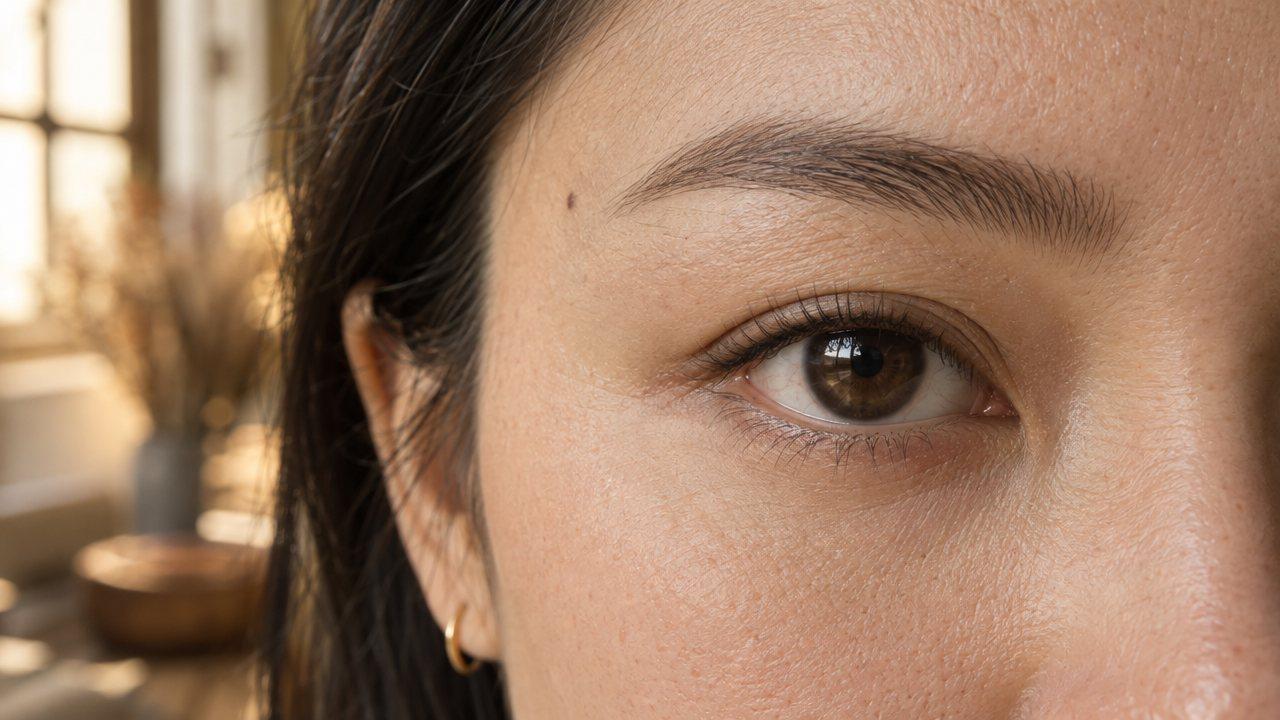
Evidence note: Photos in this guide are styled illustrations; they do not show Enclave clients or treatment results. Good human research on why permanent makeup fades is thin. Much of the practical advice comes from dermatology practice pages, medically reviewed consumer health guides, an industry association (SPCP) and a pigment manufacturer (Perma Blend), and we name which is which. Sources disagree on exact waiting times, so we quote each one rather than inventing a single rule. The Cosmetics study was done in mice and was read in part. The FDA and AAD permanent makeup pages could not be opened this run, so FDA facts come from versions verified for earlier Enclave guides; no archive, cache or mirror copies were used.
Medical disclaimer: This article is educational and is not medical advice, diagnosis or treatment. Enclave Beauty services do not replace care from a dermatologist or another licensed medical professional. This article is for general information and isn't medical advice.
Republishing: please credit Enclave Beauty (enclavebeauty.com).