PMU & BROW REMOVAL · QUESTIONS PEOPLE ASK
Why did my eyebrow tattoo turn blue, gray or orange?
What the color is telling you, and what actually fixes it.
You catch it in the car mirror at a red light, in that flat midday light that hides nothing: the brows you paid for years ago now look a little gray-blue. Or salmon. Or one is cooler than the other. You are not imagining it, and you did not “do something wrong.” Old brow tattoos change color for reasons that are fairly well understood. This guide explains each one in plain language, decodes the color you are seeing, and walks through the real options, including the laser risk most people never hear about until after the first session.

Short answer: a brow tattoo that turns blue, gray or green usually has pigment sitting deep enough that skin filters the light toward cool tones (the Tyndall effect), or a dark, black-based blend whose warmer parts have faded. A brow that turns red, orange, salmon or pink usually has warm iron-oxide pigment left behind, either because the cooler parts faded or because a past laser session cleared the dark pigment first. Sun speeds fading of all of it. The fix depends on the color and your goal: leave it and fill with makeup, ask a qualified artist about color correction for a slight shift, or plan fading or removal for a strong one. If laser is on the table, ask for a test spot: the FDA warns that some permanent makeup pigments can turn black with laser and then stop responding to it.
First, what is actually in a “brown” brow tattoo
Brow pigment is rarely a single color. A cosmetic-tattoo educator writing for the Australian supplier CTshop explains that most cosmetic pigments are blends of two to three or more colorants, and that titanium dioxide, a white powder, is commonly added to brighten a mix or soften it. Brown is typically built from reds, yellows and black. That matters because each part of the blend can age, fade or react differently, so the color you see in year five is not always the color that went in.
Depth matters too. A 2023 chart review from the Laser and Skin Surgery Center of New York, published in the Journal of Clinical and Aesthetic Dermatology (JCAD), notes that microblading deposits ink very superficially, in the upper dermis, compared with traditional tattoos that go deeper. So the technique used, the depth reached, the ink chosen and whether the brows were gone over again later all shape how the color ages, and an older brow tattoo may differ on every one of those points from today's soft powder or hairstroke work.
The five reasons brow tattoos change color
- Depth and light (the Tyndall effect). A 2024 review in the journal Cosmetics (Andreou and colleagues) explains that when pigments are placed deeper in the skin, shorter-wavelength colors such as blue are reflected more intensely than longer-wavelength colors such as red. A review in the Journal of Cutaneous and Aesthetic Surgery notes that pigment placed too deep can appear bluish because of the Tyndall effect. The pigment hasn't become blue; your skin is changing how you see it.
- The blend fades unevenly. CTshop's educator notes that some colorants fade faster under UV light, and that a pigment tends to fade toward its dominant hue. Pigment brand Biomaser describes the familiar pattern: when the warm yellow and red parts of a brown fade first, a black base is left looking gray or ashy; when the cooler parts fade first, warm iron oxides are left looking red, orange or salmon. Treat that as a working explanation from industry, not settled science (see the disagreement note below).
- Iron oxides can shift warm. The 2024 Cosmetics review says iron oxides in permanent makeup can oxidize under the skin, turning reddish after six to eight months. The same review notes that permanent makeup generally fades within one to two years even after a second application, which is why touch-ups are part of the plan.
- Sun. The American Academy of Dermatology says ultraviolet light and tanning beds can fade tattoo ink and recommends sunscreen with SPF 30 or higher on healed tattoos. In a 2026 Dermatology Times column, dermatologist Zoe Diana Draelos, MD, notes that UV radiation can dull tattoo colors during and after healing. Brows sit on one of the most sun-exposed spots on the body.
- A past removal attempt. The 2023 JCAD review found that after initial laser treatments, about one in four eyebrow and eyeliner cases (26.3%) unmasked colors such as red, orange, yellow, green or blue that weren't visible before. The authors explain that a 1064 nm laser is absorbed more by the darker pigment, so dark brown or black brow tattoos treated with it commonly show residual yellow, orange or red at follow-up. That warm stage is often part of the process, not the end of it.
Where the experts disagree: pigment maker Perma Blend says the claim that titanium dioxide plus carbon black makes a healed brow gray is incorrect, and points instead to ink placed too deep, needle configuration and color selection. CTshop's educator writes that the idea of “warm” and “cool” pigments has no reliable influence on outcomes. Biomaser's explanation leans on exactly that warm/cool fading. We include all three because a good consultation should look at your skin, not repeat one company's theory.
The color decoder
| What you see | Most likely reasons | What usually makes sense next |
|---|---|---|
| Gray, ashy or blue-gray | Deep placement (Tyndall effect); a black-based blend whose warm parts faded | Mild: makeup or an artist's opinion on warm correction. Strong or blurry: fading or removal before new work. |
| Blue or green | Deep or heavy dark pigment; old ink of unknown makeup | Usually fading or removal; adding more pigment on top rarely hides it well. |
| Red, orange, salmon or pink | Warm iron oxides left after cooler parts faded; residue after laser on dark pigment | Ask whether this is a mid-removal stage. Laser on light, warm cosmetic pigment needs a test spot because of darkening risk. |
| Suddenly darker or black right after laser | Paradoxical darkening: iron or titanium oxides chemically reduced by the laser | Stop and have the treating provider and, if needed, a dermatologist reassess before any further sessions. |
| Patchy, blurred or one brow different | Uneven depth, layered work, sun, different healing on each side | A careful in-person assessment and daylight photos; plans often differ by brow. |
| Raised, itchy, bumpy or swollen | Possible reaction, not just a color issue | See a doctor first. Not a color-correction or laser decision yet. |
The laser surprise: why some brow pigments turn darker
This is the part worth knowing before you book anything. The FDA's tattoo-removal page says permanent makeup is particularly tricky, because the pigment in some colors can oxidize (turn black) with laser treatment, and that oxidized pigment is no longer treatable by laser.
The mechanism was described back in 1993 in Archives of Dermatology: a report of five cases of immediate, irreversible darkening of white, flesh-toned and pink-red cosmetic tattoos after Q-switched and pulsed lasers. The authors showed that ferric oxide, a brown-red cosmetic pigment, blackened in the lab under laser light, likely by reduction from “rust” to jet-black ferrous oxide. The whitening of the skin right after the pulse can hide the change at first. Further laser cleared the darkened ink in three of the five cases; two needed surgical excision. Their advice still stands: warn patients and do test-site exposures first. A 2001 study of 20 laser-treated tattoos also linked titanium dioxide to poor response and darkening, while saying more research was needed.
Now the reassuring side. In the 2023 JCAD chart review of 76 eyebrow and eyeliner patients (2017–2022, mostly picosecond lasers), the authors reported no cases of paradoxical darkening, no documented scarring or permanent hair loss, a mean of 2.8 treatments (range 1–12), and noted that brow hairs may temporarily turn white after treatment. A 2022 conference series of 57 eyebrow and eyelid patients reported by MDedge found an average of 2.5 treatments and no documented scarring or eyebrow loss. A small 2019 pilot of four patients with skin types III–IV reported 75% to 100% clearance with a picosecond laser and no change in brow hair growth. These are single-center reports by experienced dermatology teams, so they show what is possible, not what every studio delivers.
Your three real options
- Leave it and work with it. If the shift is mild and the shape still suits you, a warm-toned brow pencil or powder can neutralize a cool cast day to day, and sunscreen slows further fading. This is a perfectly good choice.
- Color correction. CTshop's educator describes using an orange corrector to correct a blue tattoo, preferring a drop or two mixed in rather than a concentrated shade. Correction adds pigment to skin that already has pigment, so it suits small shifts in well-shaped brows. It is a poor fit when the color is strong, the shape is wrong or there are several layers already. Our correction vs. removal guide compares the paths in more detail.
- Fading or removal. The FDA says laser removal, done by a trained health care professional, breaks ink into small particles over multiple treatments a few weeks apart, and that complete removal may not be possible. Lightening old work first often gives a new artist a cleaner canvas. Our eyebrow tattoo removal guide explains single sessions vs. a package, and the ink colors guide explains why some colors resist laser more than others.
You will also see non-laser “saline” removal advertised for brows. We found no FDA, dermatology-society or peer-reviewed trial data for it in this research, so we can't tell you how well it works; if you consider it, ask the provider for their training, their healed results and how they handle scarring risk. Separately, the FDA says it has not approved any tattoo-removal creams or DIY kits and that they may cause rashes, burns or scars.
Seven mistakes that make a color problem harder
- Covering blue with a darker brown. Heavier pigment on top of deep pigment can turn a gray brow into a bigger, denser gray brow.
- Lasering light, warm or “nude” cosmetic pigment without a test spot. That is the exact scenario the 1993 report and the FDA warn about.
- Judging progress mid-removal. An orange stage after laser on dark brows is commonly reported; it is not always a sign the treatment failed.
- Booking a new brow tattoo right after removal. The 2024 Cosmetics review says a new tattoo can often be applied a few months after removal. Let the skin and the color settle first.
- Choosing a laser provider on price alone. The Medical Board of California says physicians may use lasers for tattoo removal, and registered nurses or physician assistants may do so under physician supervision; estheticians and cosmetologists may not.
- Skipping sun protection on healed brows. UV fades tattoo ink, according to the AAD. Every unprotected summer adds to uneven fading.
- Treating a raised or itchy brow as a color issue. Cleveland Clinic lists allergic reactions and granulomas among permanent makeup risks. Swelling, bumps or itching need a doctor before anyone adds or removes pigment.
When to see a doctor, and who should wait
- See a dermatologist first if the brow tattoo is raised, lumpy, itchy, swollen, scaly or painful, or if a spot in or near it is changing, bleeding or not healing.
- Wait if you are pregnant or breastfeeding. The American Academy of Dermatology says patients who are pregnant or breastfeeding should not be treated with tattoo-removal lasers.
- Tell your provider about isotretinoin, a history of keloids, cold sores on the face, recent sun or tanning, and any past removal attempts. Our laser medical-history checklist explains why each one matters.
- Seek urgent care for eye pain, vision changes or spreading redness after any brow procedure.
Questions to ask before anyone touches the color
| Ask | Why it matters |
|---|---|
| Based on what you see, is this depth, fading, warm residue or something else? | The reason decides the fix; a guess leads to more pigment in the wrong place. |
| Would you correct, fade or remove, and why? | A good provider can explain why the other two options are worse for you. |
| Will you do a test spot first? | The FDA and the 1993 report both point to darkening risk with some cosmetic pigments. |
| Who operates the laser, and who supervises? | California limits who may use lasers to remove tattoos. |
| How do you protect my eyes and my brow hairs? | Brows sit next to the eye; JCAD notes hairs may temporarily turn white. |
| How many sessions do you expect, and when could new brows go on? | Published brow series average two to three sessions with wide ranges; complete removal isn't guaranteed. |
Why this question comes up so often in Orange County
In Little Saigon, from Bolsa Avenue in Westminster to Garden Grove and here on West 5th Street in Santa Ana, plenty of us know an aunt, a mother or a friend whose brows were tattooed years ago and have since drifted gray, blue or reddish. Orange County's sunshine is part of the story: brows sit high on the face and catch sun on every school drop-off and every walk along the beach in Huntington Beach or Newport. If your brows were done long ago, possibly at a studio that no longer exists, you may not know what pigment was used. That is fine. Bring any old photos and any details you remember, and plan with the provider from what is visible now. For any new permanent makeup, the OC Health Care Agency's Body Art Program handles practitioner registration and facility permits, which is worth checking before you book.
What a good outcome looks like
Picture the realistic version. You stop guessing at the color and get an honest read in daylight: this is depth, this is old warm pigment, this brow is different from that one. You choose a path with your eyes open, with a test spot if laser is involved. Over a few months the old color softens visit by visit, sometimes through a warm stage that you now know to expect. Some people stop when the brows are soft enough to fill with a pencil in thirty seconds. Others wait for the skin to settle and then start fresh with a softer, modern design that suits the face they have today. Either way, the next time you catch your reflection at a red light, you see brows, not a color problem.
How we approach old brow color at Enclave
At Enclave Beauty in Santa Ana, our tattoo and pigment removal menu lists Eyebrow Tattoo Removal from $250 per session, or a 3-session package from $550. When old work has been lightened and the skin has settled, our permanent brows menu starts with Ombré Powder Brows from $495 and Combination Brows from $695. Start with a free 45-minute consultation: we will look at your brows in good light, talk through what the color likely means and tell you honestly whether removal makes sense, whether to wait, or whether something else would suit you better. If you're coming from Westminster, Fountain Valley or Tustin, bring old photos of your brows if you have them. If anything looks like a skin reaction, we will ask you to see a doctor first. Curious how long new work tends to last? See our permanent makeup longevity guide.
Questions people ask
Why did my eyebrow tattoo turn blue or gray?
Usually because of depth and light, not because the ink was blue. A 2024 review in the journal Cosmetics explains that when pigments sit deeper in the skin, shorter-wavelength colors such as blue are reflected more strongly than red. Dermatology authors call this optical effect the Tyndall effect. Dark brow pigments built on black can also lose their warmer components faster, which leaves a cooler, ashier cast. Only an in-person look can tell which is happening in your brows.
Why did my eyebrow tattoo turn red, orange or pink?
Brown brow pigments are blends. The 2024 Cosmetics review notes that iron oxides used in permanent makeup can oxidize under the skin and turn reddish after six to eight months. After laser treatment, a 2023 chart review in the Journal of Clinical and Aesthetic Dermatology found that about a quarter of eyebrow and eyeliner cases unmasked colors such as red, orange or yellow that were not visible before.
Can laser make an eyebrow tattoo darker?
It can happen with some cosmetic pigments. The FDA warns that permanent makeup pigment can oxidize, or turn black, with laser treatment, and that oxidized pigment is no longer treatable by laser. A 1993 Archives of Dermatology report described five cases of immediate darkening of white, flesh-toned and pink-red cosmetic tattoos and recommended a test spot first. In a 2023 chart review of 76 eyebrow and eyeliner removal patients, the authors reported no cases of paradoxical darkening, so it is a risk to plan for, not a certainty.
Should I correct the color or remove it?
It depends on how strong the shift is and what you want next. A slight cool cast in otherwise well-shaped brows is sometimes corrected with a warm corrector by a permanent makeup artist, but that adds pigment rather than removing it. A strong blue, gray or green tone, a shape you dislike, or several layers of old work usually points toward fading or removal first. Our correction vs. removal guide compares the paths.
How many sessions does eyebrow tattoo removal take?
Published brow series average only a few sessions, but ranges are wide. A 2023 chart review of 76 patients reported a mean of 2.8 treatments (range 1 to 12), and a 2022 conference series of 57 patients reported an average of 2.5 (range 1 to 11). Your pigment, colors, depth, skin and goal change the count, and complete removal is not guaranteed.
Sources and evidence note
- U.S. FDA — Tattoo Removal: Options and Results (content current as of August 3, 2023; read November 28, 2026; permanent makeup pigment can oxidize and turn black with laser; oxidized pigment no longer treatable by laser; multiple treatments; complete removal may not be possible; creams and DIY kits not approved)
- Andreou E, Hatziantoniou S, Rallis E, Kefala V. Why Permanent Makeup (PMU) Is Not a Lifetime Application. Cosmetics. 2024;11(5):160 (September 16, 2024; deeper pigment reflects blue more than red; iron oxides can oxidize and turn reddish after six to eight months; at least two applications; fades within one to two years; new tattoo often a few months after removal; mouse study; read November 28, 2026)
- Kream E, Jairath N, Bajaj S, Orbuch D, Wang JV, Geronemus RG. Laser Removal of Eyeliner and Eyebrow Tattoos: Chart Review, Experiences, and Learnings. J Clin Aesthet Dermatol. 2023;16(11):47–49 (76 patients, January 2017–October 2022; mean 2.8 treatments, range 1–12; 26.3% unmasked other colors; 1064 nm residual yellow, orange, red; no paradoxical darkening; hairs may temporarily turn white; microblading superficial; read November 28, 2026)
- Anderson RR, Geronemus R, Kilmer SL, et al. Cosmetic tattoo ink darkening: a complication of Q-switched and pulsed-laser treatment. Arch Dermatol. 1993;129(8):1010–1014 (five cases; ferric oxide to ferrous oxide; three cleared with further laser, two excised; test sites advised; read November 28, 2026)
- Tattoo darkening and nonresponse after laser treatment: a possible role for titanium dioxide. Arch Dermatol. 2001;137(1):33–37 (20 biopsied tattoos: 7 lightened, 9 unchanged, 4 darkened; titanium associated with poor response; read November 28, 2026)
- MDedge Dermatology — Removing eyebrow and eyelid tattoos possible with laser, case series finds (May 6, 2022; Doug Brunk; ASLMS 2022, David Orbuch, MD; 57 adults, January 2018–December 2021; average 2.5 treatments, range 1–11; no documented scarring or brow loss; read November 28, 2026)
- Successful treatment of cosmetic eyebrow tattoos in Fitzpatrick III–IV with picosecond Nd:YAG laser with a perfluorodecalin-infused patch: a pilot study. Lasers Surg Med. 2020;52(7):586–589 (epub December 11, 2019; four patients; 75–100% clearance; brow hair growth not affected; read November 28, 2026)
- Khunger N, Molpariya A, Khunger A. Complications of Tattoos and Tattoo Removal: Stop and Think Before You Ink. J Cutan Aesthet Surg. 2015;8(1):30–36 (deep pigment can appear bluish from the Tyndall effect; paradoxical darkening of light permanent makeup pigments; test area first; read November 28, 2026)
- CTshop — What Influences the Colour of a Cosmetic Tattoo? (Andrea Darby; revised August 18, 2015; blends of two to three or more colorants; titanium dioxide; UV lightfastness; gray from too-deep placement; orange corrector for blue; industry educator; read November 28, 2026)
- Biomaser — Why Does Permanent Makeup Change Color Over Time? (Bruno Moraes; February 25, 2026; pigment brand; warm/cool fading explanation; no citations; read November 28, 2026)
- Perma Blend — Science matters: the facts about titanium dioxide and carbon (no date shown; pigment brand; gray from depth, needle configuration and color selection rather than ingredients; read November 28, 2026)
- Dermatology Times — The Art and the Science of Tattoos (Zoe Diana Draelos, MD; August 19, 2026; UV can dull tattoo colors; read November 28, 2026)
- American Academy of Dermatology — Caring for tattooed skin (UV and tanning beds can fade ink; SPF 30+; read November 24, 2026)
- American Academy of Dermatology — Tattoo removal: lasers outshine other methods (updated November 28, 2023; pregnant or breastfeeding patients should not be treated)
- Cleveland Clinic — Micropigmentation (Permanent Makeup) (last updated July 2, 2020; fading; allergic reactions; granulomas; read November 24, 2026)
- Medical Board of California — Cosmetic Treatments FAQ (accessed October 18, 2026; who may use lasers to remove tattoos)
- OC Health Care Agency — Body Art Program (practitioner registration and facility permits for permanent cosmetics)
- Enclave Beauty — Services (Eyebrow Tattoo Removal $250 per session; 3-session package $550; Ombré Powder Brows $495; Combination Brows $695; checked November 28, 2026; prices may change)
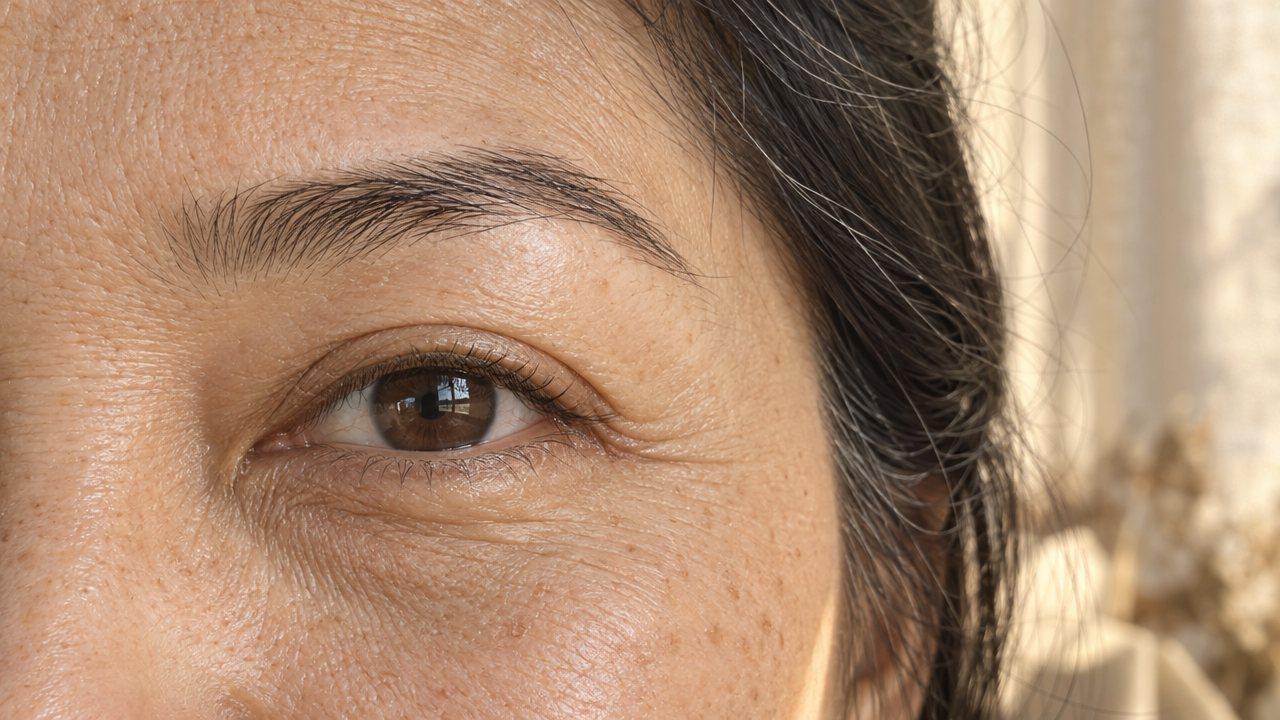
Evidence note: Photos in this guide are styled illustrations; they do not show Enclave clients or treatment results. Research on why cosmetic brow tattoos change color in people is limited: the depth and Tyndall explanations come from dermatology reviews, the six-to-eight-month iron-oxide figure from a 2024 review whose own experiments were in mice, and the warm/cool fading account from pigment companies that disagree with each other. The laser darkening reports are older and small (five cases; 20 tattoos) and should not be read as how often it happens. The brow-removal session counts come from single-center dermatology practices. We found no regulator or peer-reviewed trial data on saline removal. The AAD, Cleveland Clinic and Medical Board of California details come from our newsroom's earlier verified reads on the dates shown. We did not use archive, cache or mirror copies of any source.
Medical disclaimer: This article is educational and is not medical advice, diagnosis or treatment. Enclave Beauty services do not replace care from a licensed medical professional.