BROWS · QUESTIONS PEOPLE ASK
Why are my eyebrows thinning?
Your brows are keeping a record.
Thinning eyebrows are rarely random. Where the hairs disappear, how fast, and what the skin underneath looks like all point somewhere: years of tweezing, age, a skin condition, your thyroid, or a hair-loss condition that is worth catching early. Here is how to read the pattern, what brow serums and minoxidil can and can't do, the mistakes that make thin brows thinner, and when a dermatologist should see you before any brow artist does.

Short answer: eyebrows thin for many reasons. The most common are years of plucking or waxing, normal aging, and irritated or inflamed skin. Some causes are medical and worth catching: a thyroid problem (often noticed as loss in the outer third of the brows), alopecia areata (smooth round patches), and frontal fibrosing alopecia (brow loss together with a hairline that slowly moves back). Read the pattern first. Give over-plucked brows about four months. See a dermatologist sooner if the loss is sudden, patchy or spreading, or the skin is red, scaly or scarred. Only then choose between growth products, brow lamination or permanent makeup.
The moment most people notice
It usually happens in unflattering light. A car mirror at a red light, a phone camera you forgot was on selfie mode, or a bathroom with one bulb overhead. You fill in your brows the way you have for years, and the pencil suddenly covers more skin than hair. The tails seem shorter. There may be a gap you don't remember.
The common mistake is to treat that moment as a makeup problem: a darker pencil, a stronger serum, or a quick booking for tattooed brows. Sometimes that is all it is. But eyebrow loss has a medical name, madarosis, and Cleveland Clinic's list of causes runs from skin conditions and thyroid disease to autoimmune conditions, medications, chemotherapy and hair pulling. The fix depends on which one you have. Choosing a product before you know the cause is how people spend months, and money, on the wrong solution.
How brow hair actually grows (and why patience is part of the plan)
Brow hairs don't grow like scalp hair. A 2026 review in the Journal of Drugs in Dermatology describes a short growth (anagen) phase of about two to three months, with growth of roughly 0.12 to 0.15 mm per day. Scalp hair, by comparison, grows for years. That short growth phase is why brows stay short, and it is also why regrowth feels slow. Cleveland Clinic puts the brow growth cycle at three to four months.
In practice, any change you make, such as putting the tweezers down, treating irritated skin or starting a prescribed treatment, needs a full cycle before you can judge it. Checking every morning will only tell you about the light in your bathroom. A photo in the same window light once a month will tell you much more.
Read the pattern: what thinning eyebrows can point to
This table is a map for a better conversation with a clinician, not a way to diagnose yourself. More than one cause can overlap.
| What you notice | What it can point to | Who to see first |
|---|---|---|
| Thinning in the outer third (the tails), sometimes with tiredness, feeling cold, dry skin or scalp thinning | Hertoghe's sign, which Cleveland Clinic says is usually a symptom of hypothyroidism | Primary care doctor (ask about a thyroid check) |
| Smooth, round, hairless patches that appeared fairly quickly; sometimes lashes, beard or scalp too | Alopecia areata, an autoimmune condition that NIAMS says can affect the eyebrows and eyelashes | Board-certified dermatologist |
| Brows thinning while the front hairline slowly moves back, especially after menopause | Frontal fibrosing alopecia (FFA), a scarring hair loss; the AAD says many people with FFA notice eyebrow loss | Dermatologist, sooner rather than later |
| Red, flaky, greasy or itchy skin in and around the brows | Seborrheic dermatitis, eczema, psoriasis or a reaction to a product (contact dermatitis) | Dermatologist; stop the newest product |
| Gaps exactly where you have always plucked, waxed or threaded | Repeated trauma to follicles from hair removal | Give it about four months; dermatologist if nothing returns |
| Patchy loss with broken hairs at different lengths, often with an urge to pull | Trichotillomania, which Cleveland Clinic notes can target eyebrows or eyelashes | Primary care doctor or mental health professional |
| Gradual, even thinning, with more grey or white hairs | Aging; the 2026 JDD review says aging contributes to thinning and whitening of the brows | A brow consultation, or a dermatologist if anything else on this list fits |
| Loss after starting a new medication or during cancer treatment | Medication-related or treatment-related hair loss | The prescribing doctor; don't stop a medication on your own |
The American Academy of Dermatology (AAD) also lists low iron, zinc, biotin or protein among causes of noticeable hair loss in general. That is a reason to ask your doctor about blood work, not a reason to start supplements on your own. Our biotin guide explains why high-dose biotin can even interfere with some lab tests, and our iron and hair loss guide covers what testing usually looks like.
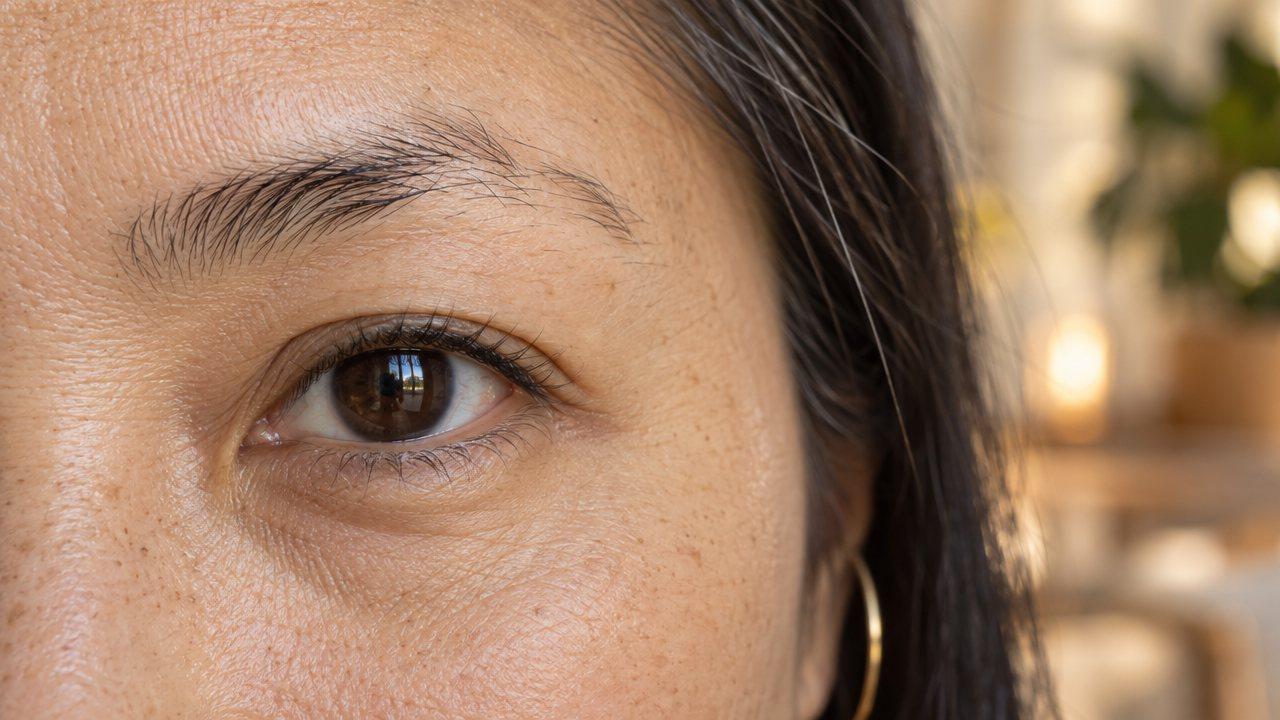
The tweezer hangover: will over-plucked brows grow back?
Often, yes. Dermatologist Dr. Shilpi Khetarpal told Cleveland Clinic's Health Essentials (October 2026) that most of the time brows grow back within a few months, and that regrowth can take at least two to three months. She also warned that frequent plucking over time may damage the follicle and may even cause scarring. Cleveland Clinic suggests seeing a dermatologist if brows haven't grown back after about four months.
A 2023 Live Science explainer makes the same point. It quotes Dr. Yoram Harth, medical director of the hair-loss company MDhair, who says the type and extent of damage decides whether the loss is temporary or permanent, and that badly damaged follicles can be replaced by scar tissue. Because Dr. Harth runs a company that sells hair-loss treatments, we use his comments only where they match independent sources.
The honest takeaway: if you spent years shaping brows into a thin arch, some of the hairs will probably come back and some may not. You won't know which until you stop removing them for a full cycle. That means no “just a few strays,” because the strays are often the new growth you are waiting for.
The one to catch early: frontal fibrosing alopecia
Frontal fibrosing alopecia (FFA) deserves its own section because it is easy to miss and because the hair it destroys does not come back. The AAD says many people with FFA see noticeable eyebrow loss, some lose their brows completely, and the hair loss can be permanent. It also says that if treatment begins early, it may stop FFA from progressing.
The largest early case series, a 2014 multicenter review of 355 patients in the Journal of the American Academy of Dermatology, found that most were women (343) with a mean age of 61. Eyebrow loss as the first sign was linked with milder forms of the condition. That is a strong reason to take thinning brows seriously if your hairline is changing too.
You may have seen headlines connecting FFA to sunscreen or face creams. A 2016 case-control study in the British Journal of Dermatology (105 women with FFA, 100 without) found that the FFA group reported using sunscreen more often. The authors described an association, not proof of cause, and later acknowledged the study's statistical limits. Nobody has shown that sunscreen causes FFA, and stopping it has well-known costs for your skin. If you are worried, raise it with a dermatologist rather than dropping sun protection; our sunscreen guide covers how much to use.
Alopecia areata: patches with real treatment options
Alopecia areata is an autoimmune condition. NIAMS says it can affect any hair-bearing area, including the eyebrows and eyelashes, and that in most cases the hair regrows, though there may be later episodes. The AAD notes that many people relapse within a year of regrowing their hair, and most relapses happen within five years.
Treatment has changed a lot in the past few years. The FDA approved baricitinib (Olumiant) for adults with severe alopecia areata in June 2022, ritlecitinib (Litfulo) for people 12 and older in June 2023, and deuruxolitinib (Leqselvi) for adults in July 2024. The AAD says patients who have lost a lot of their eyelashes, eyebrows or both can see regrowth, and that corticosteroid injections can also help brows grow again. These are prescription treatments with their own risks, which is one more reason the first stop for patchy loss is a dermatologist, not a brow serum.
Brow serums and minoxidil: what is approved and what is just marketed
Prescription bimatoprost (Latisse). Its FDA label approves it only to treat hypotrichosis (too few or too short hairs) of the eyelashes, so using it on brows is off-label. In a small 2013 pilot trial in Dermatologic Surgery (20 women, nine months), brows improved more with bimatoprost than with a placebo solution, and no adverse effects were reported. The study was funded by the drug's maker, and the lead author disclosed ties to the company, so treat it as early evidence. The label warns that iris darkening is likely to be permanent, that eyelid darkening has been reported to fade after stopping, and that hair can grow wherever the solution repeatedly touches skin.
Over-the-counter “growth” serums. The American Academy of Ophthalmology says Latisse is the only eyelash growth serum approved by the FDA, and that many over-the-counter products use isopropyl cloprostenate, which is not FDA-approved. In 2011 the FDA sent a warning letter to the maker of RapidLash, NeuLash and NeuveauBrow, saying the claims made these products drugs because they were intended to affect the structure or function of the body. A 2022 paper in Aesthetic Surgery Journal described a woman whose under-eye area became hollow after 10 months of a prostaglandin lash serum, a change that reversed about six months after she stopped. It also reported a photo analysis that suggested more volume loss with these serums, but that analysis used manufacturer website photos, so it is weak evidence. Our eyelash growth serum guide goes deeper on reading labels.
Minoxidil. Cleveland Clinic's October 2026 article mentions 2% or 5% minoxidil as an option some people use on brows, with two warnings: it can burn if it gets into the eyes, and it can grow hair where you don't want it. A randomized trial of 2% minoxidil for eyebrows was published in the Journal of Dermatology in 2014, but we couldn't read its results, so we don't quote them. Ask a dermatologist before putting any growth product a few millimeters from your eye.
Seven mistakes that make thin brows thinner
- Treating a symptom as a makeup problem. Outer-third loss, round patches or a receding hairline can be a sign of something medical. Cover it if you like, but get it checked.
- “Cleaning up” while trying to grow them. Every stray you remove resets that follicle's clock. Give it one full cycle of about four months.
- Buying a serum before knowing the cause. No serum fixes a thyroid problem, and putting a growth product on inflamed skin can make the irritation worse.
- Ignoring flaky, itchy brows. Redness and scale in the brows often point to a skin condition that a dermatologist can treat. Scrubbing the flakes off tends to inflame the skin more.
- Tattooing over active, undiagnosed loss. A 2025 review in Skin Appendage Disorders notes that trauma from the procedure can trigger new lesions in some skin conditions (the Koebner phenomenon). It also reports more than 20 cases of skin sarcoidosis after cosmetic eyebrow tattooing. Get the diagnosis first.
- Starting supplements to “feed” your brows. If iron, zinc or protein is low, your doctor can confirm it with blood work. Guessing can hide the real problem, and some supplements interfere with lab tests.
- Over-filling with a harsh, dark line. A solid block of color draws attention to the gaps. Soft, hair-like strokes in a shade close to your natural hair usually look more natural.
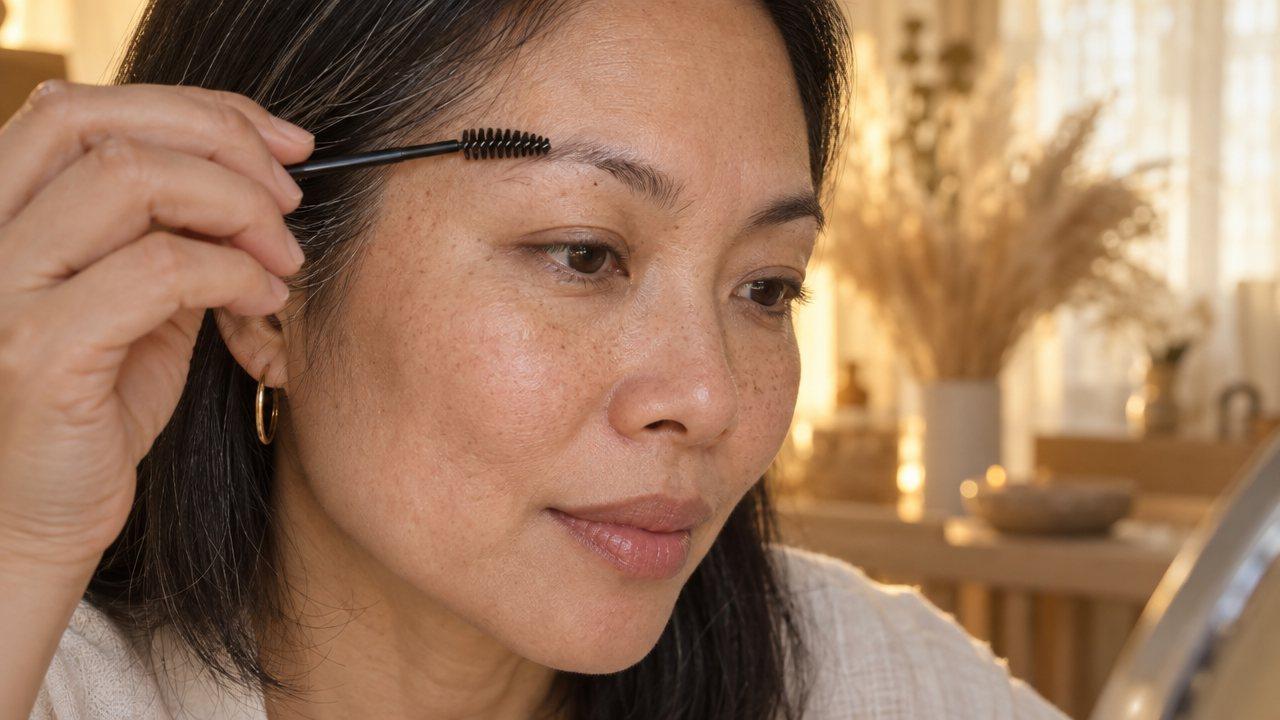
What you can do while you wait
Once a medical cause has been ruled out or treated, the cosmetic part is the easy part. Here are the options, from least to most commitment.
- Brush, gel and powder. Brushing hairs up with a clean spoolie and setting them with a clear gel makes the hairs you have cover more skin. A matte powder fills sparse areas more softly than a hard pencil line.
- Brow lamination and tint. A lamination is a chemical perm for brow hairs. It sets them upright and smooth so they cover gaps, and the tint makes fine or grey hairs visible. California's Board of Barbering and Cosmetology bulletin on lash and brow perming calls for a patch test 48 to 72 hours before the service. It is a cosmetic service for healthy skin, not a fix for active irritation. Our brow lamination safety guide and how long brow lamination lasts cover the details. Enclave's Brow Lamination & Tint starts from $80.
- Permanent makeup. For brows that are stable but sparse, cosmetic tattooing adds pigment to the skin under the hairs. Our powder brows vs. microblading guide explains the difference in finish. At Enclave, Ombré Powder Brows start from $495, Combination Brows from $695 and Nano Hairstroke Brows from $795. Before you commit, remember what the FDA says about tattoo and permanent makeup ink: none is approved for injection into the skin, and complete removal without scarring may be impossible. Read who should avoid permanent makeup first.
If you have alopecia areata, the AAD says to talk with your dermatologist before microblading. It describes microblading as lasting about 6 months to a year and lists two possible complications: pigment spreading beyond the brow and pigment changing color. In California, the Board of Barbering and Cosmetology says it does not regulate microblading and points consumers to the state's body art rules and local environmental health agencies. In Orange County, that means asking to see the artist's body art registration and the facility's permit.
When to see a dermatologist (before any brow appointment)
- Brows haven't grown back about four months after you stopped plucking, waxing or threading.
- Loss is sudden or comes in smooth, round patches.
- Your front hairline is also moving back, or the skin there looks shiny or pale.
- The brow skin is red, scaly, greasy, itchy, painful or scarred.
- Your eyelashes are thinning too, or your eyelids are red or crusted (an eye doctor can help here as well).
- You have other symptoms, such as tiredness, feeling cold, weight changes, dry skin or scalp thinning.
- The loss started after a new medication. Don't stop it; call the prescriber.
Bring photos. A dated photo from a year ago, taken in similar light, is often the most useful thing you can show a clinician.
Six questions to ask before any brow service
- Looking at my brows, does anything make you want me to see a doctor first?
- Is my brow skin calm enough for this service today?
- For lamination or tint: when should I do the patch test, and what are you testing?
- For permanent makeup: can I see your body art registration and the facility permit?
- What happens to this pigment if I start a medical treatment later, or need an MRI?
- If my natural hairs grow back, how will this design work with them?
Thinning eyebrows in Santa Ana and Orange County
Our dry season makes this worse in a specific way. When the Santa Ana winds blow, humidity drops and the skin around the brows can turn tight and flaky. It is easy to mistake that for dandruff in the brows, or to pick at it until hairs come out with the flakes. If you notice flaking every wind event, our Santa Ana winds skin guide has a barrier routine. If it doesn't settle with gentle care, have a dermatologist look for seborrheic dermatitis or eczema.
Enclave Beauty is on West 5th Street in Santa Ana, on the edge of Little Saigon. If you are coming from Westminster, Garden Grove or Irvine, the free 45-minute skin consultation is a good place to show us your brows, your old photos and what you have already tried. We will tell you honestly whether a brow service makes sense now, whether waiting a cycle would serve you better, or whether a dermatologist should see you first. We don't diagnose hair loss or prescribe treatment. Prices are starting points and can change, so check the services page, and see our brow lamination page and ombré powder brows page for details.
What a good outcome looks like
Picture this a few months from now: you know why your brows thinned. Maybe it was the tweezers, and you have watched hairs return during one patient cycle. Maybe it was a thyroid or skin problem that is now being treated. Maybe it is simply age, and you have chosen a lamination, a soft powder or a hairstroke design that suits the brows you have now. Either way, you stop guessing. Your makeup takes less time, the mirror in the car stops surprising you, and any brow service you choose fits what is actually happening under the skin. Book a visit or start with the free consultation.
Frequently asked questions
Why are my eyebrows thinning?
Common reasons include years of plucking or waxing, normal aging, skin conditions such as seborrheic dermatitis, eczema or contact dermatitis, thyroid problems, alopecia areata, frontal fibrosing alopecia, trichotillomania, some medications and treatments such as chemotherapy, and nutritional gaps. Cleveland Clinic calls eyebrow and eyelash loss madarosis. The pattern of loss (outer third, round patches, together with a receding hairline, or only where you pluck) helps a clinician narrow it down.
Is losing the outer third of my eyebrows a sign of thyroid disease?
It can be. Cleveland Clinic describes Hertoghe's sign, loss of hair on the outer third of the eyebrows, and says it is usually a symptom of hypothyroidism. It is not proof on its own. If you also notice tiredness, feeling cold, weight gain, dry skin or thinning hair, which Mayo Clinic lists among hypothyroidism symptoms, ask your doctor about a thyroid check. The American Academy of Dermatology says treating thyroid disease can reverse hair loss it causes.
Will over-plucked eyebrows grow back?
Often, yes. Dermatologist Dr. Shilpi Khetarpal told Cleveland Clinic that eyebrows usually grow back within a few months and that regrowth can take at least two to three months. Years of frequent plucking can damage follicles and may cause scarring, and damaged follicles may not regrow. Cleveland Clinic suggests seeing a dermatologist if brows have not grown back after about four months.
Do eyebrow growth serums work?
Latisse (bimatoprost 0.03%) is FDA-approved only to treat sparse eyelashes, so using it on brows is off-label. A small 2013 pilot trial of 20 women, funded by the drug's maker, found more brow improvement with bimatoprost than with a placebo solution. Many over-the-counter lash and brow serums use isopropyl cloprostenate, which the American Academy of Ophthalmology says is not FDA-approved. Prostaglandin-type serums can darken eyelid skin and, if they reach the eye, permanently darken the iris. Ask a dermatologist before using one.
Can I get microblading or powder brows if my eyebrows are thinning?
Often, once the cause is known and stable. The American Academy of Dermatology suggests that people with alopecia areata talk with their dermatologist before microblading. A 2025 review in Skin Appendage Disorders says ideal candidates have no skin condition causing the brow loss, because procedure trauma can trigger new lesions in some conditions. If loss is sudden, patchy, scaly, itchy or spreading, see a dermatologist first.
When should I see a dermatologist about eyebrow loss?
See a dermatologist if brows have not regrown about four months after you stopped plucking, if loss is sudden or comes in round patches, if your hairline is also moving back, if the skin is red, scaly, itchy or scarred, if eyelashes are falling out too, or if you have other symptoms such as tiredness or feeling cold. The American Academy of Dermatology says early treatment of frontal fibrosing alopecia may stop it from progressing.
Sources and evidence note
- Cleveland Clinic — Madarosis (medically reviewed March 11, 2023; Hertoghe's sign as loss of the outer third of the brows, usually a symptom of hypothyroidism; list of causes)
- American Academy of Ophthalmology EyeWiki — Madarosis (up to date as of July 23, 2026; non-scarring and scarring causes, including thyroid disturbances, dermatitis, lupus and lichen planopilaris)
- Nelson and Friedman. Eyebrow Madarosis: An Updated Review of Etiology and Management, Part I. J Drugs Dermatol. 2026;25(3) (published online March 2, 2026; anagen about 2–3 months, growth 0.12–0.15 mm per day; aging contributes to thinning and whitening)
- Cleveland Clinic Health Essentials — Ways to get over-plucked eyebrows to grow back (October 29, 2026; Dr. Shilpi Khetarpal; growth cycle 3–4 months; regrowth at least 2–3 months; possible follicle damage and scarring; see a dermatologist after about 4 months; minoxidil cautions)
- Live Science — Why don't overplucked eyebrows fully grow back? (July 26, 2023; growth-cycle phases; expert quoted is medical director of a hair-loss company)
- American Academy of Dermatology — Hair loss: 18 causes (thyroid disease, nutrient gaps, trichotillomania; eyebrows and eyelashes can be affected)
- American Academy of Dermatology — Frontal fibrosing alopecia: symptoms, causes and treatment (last updated August 3, 2022; eyebrow loss common; can be permanent; early treatment may stop progression)
- Vañó-Galván S, et al. Frontal fibrosing alopecia: a multicenter review of 355 patients. J Am Acad Dermatol. 2014;70(4):670-678 (abstract; 343 women, mean age 61; eyebrow loss as the first sign associated with milder forms)
- MedicalXpress — Leave-on facial products linked to frontal fibrosing alopecia (March 2016 report on Aldoori et al., Br J Dermatol: 105 women with FFA vs. 100 controls; association, not causation) and the authors' reply on study limits (Br J Dermatol 2016)
- NIAMS (National Institutes of Health) — Alopecia areata (eyebrows and eyelashes can be affected; hair often regrows; episodes can recur)
- American Academy of Dermatology — Alopecia areata overview (updated August 30, 2023; relapse timing) and treatment (updated October 7, 2026; JAK inhibitors, corticosteroid injections, microblading 6 months to a year, talk with a dermatologist first)
- Lilly and Incyte — FDA approves Olumiant (baricitinib) for severe alopecia areata (June 13, 2022); Pfizer — FDA approves Litfulo (ritlecitinib) (June 23, 2023); Dermatology Times — FDA approves deuruxolitinib for severe alopecia in adults (July 2024)
- FDA — Latisse (bimatoprost ophthalmic solution 0.03%) prescribing information (revised September 2020; indication limited to eyelash hypotrichosis; iris and eyelid darkening; hair growth where the solution touches skin)
- American Academy of Ophthalmology — Latisse and eyelash growth serums (December 5, 2019; only FDA-approved lash growth serum; isopropyl cloprostenate not FDA-approved)
- Beer KR, Dunn A, Wilson M. Bimatoprost for eyebrow hypotrichosis: pilot study. Dermatol Surg. 2013 (20 women, 9 months; industry-funded; author disclosures)
- Cosmetics & Toiletries — FDA warning letter on RapidLash, NeuLash and NeuveauBrow (April 22, 2011; isopropyl cloprostenate; structure-or-function claims make products drugs)
- Jamison A, et al. Prostaglandin-associated periorbitopathy and cosmetic lash serums. Aesthet Surg J. 2022;42(11):1241-1249 (case report and photo analysis; weak evidence, no population rate)
- Shishak and Kuthial. Skin Appendage Disorders. 2025;11(4):355-359 (cosmetic eyebrow tattooing in madarosis: Koebner risk, more than 20 reported cases of cutaneous sarcoidosis, candidate selection)
- FDA — Tattoos and permanent makeup: fact sheet (no inks approved for injection; removal without scarring may be impossible)
- California Board of Barbering and Cosmetology — Industry bulletin: microblading (June 1, 2017; the Board does not regulate microblading; body art law and local environmental health apply) and lash and brow perming bulletin (patch test 48–72 hours before)
- Mayo Clinic — Hypothyroidism: symptoms and causes (thinning hair, coarse hair and skin, tiredness, cold sensitivity)
- Cleveland Clinic — Trichotillomania (reviewed June 10, 2026; pulling can target eyebrows or eyelashes)
- Enclave Beauty — Services (Brow Lamination & Tint, Ombré Powder Brows, Combination Brows and Nano Hairstroke Brows starting prices checked November 12, 2026; prices may vary)
Evidence note: Photos in this guide are styled illustrations; they do not show Enclave clients or treatment results. The pattern table summarizes possibilities named by the sources above and is not a diagnostic tool. PubMed, PubMed Central and Europe PMC pages could not be read from our system, so the FFA review is cited from its abstract on another indexing site, and the 2014 minoxidil eyebrow trial is mentioned without its results. We could not open the FDA's own press pages for the alopecia areata approvals, so the dates come from the manufacturers' releases and trade press. We did not use archive, cache or mirror copies of any source. No percentage of FFA patients with eyebrow loss is given because we could not verify one from the full text.
Medical disclaimer: This article is educational and is not medical advice, diagnosis or treatment. Enclave Beauty services do not replace care from a licensed medical professional.