LASH LIBRARY · TROUBLESHOOTING
Lash shedding vs. breakage:
what fallen extensions can show
A natural lash attached, an extension alone and a short broken lash suggest different questions—but no single fiber tells the whole story.
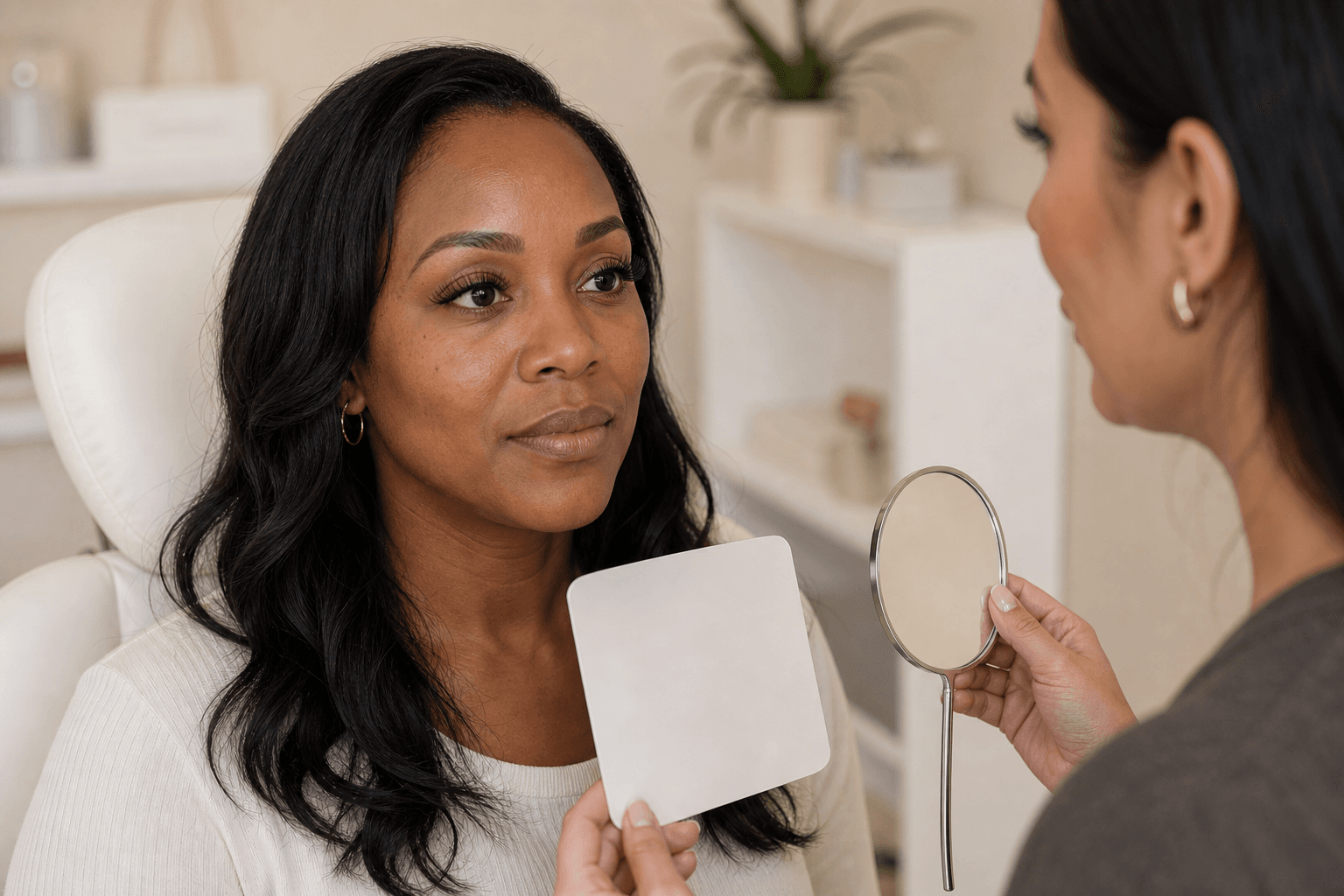
Short answer: scattered extensions that leave with a full-length natural lash can fit normal cycling. Extensions falling alone point toward bond release. Short, uneven natural lashes or new gaps raise concern for breakage, pulling or another cause of lash loss. These are clues, not a diagnosis.
Normal shedding follows the natural lash
Every eyelash grows, rests and eventually sheds on its own schedule. When an extension is correctly bonded to one natural lash, both may leave together when that natural lash completes its cycle. A gradual, scattered pattern without pain, redness or obvious gaps is more consistent with ordinary turnover than sudden damage.
Do not count one day and extrapolate a promised wear time. Natural cycles vary, and seasonal or health changes may alter what you notice.
Bond release is different from natural shedding
If only the synthetic extension or fan is present, the adhesive bond likely released. Possible contributors include application variables, product curing conditions, oil or residue at attachment, rubbing, heat, incompatible makeup or cleanser, and aftercare. A few released extensions do not prove one cause or automatically assign blame.
Take a clear photo, note which eye and when it began, then contact the artist. Avoid adding strip or cluster adhesive over the set.
Breakage and traction change the question
Breakage may look like short natural lashes, blunt ends, uneven lengths or localized gaps. Repeated rubbing, rough removal, curling attached extensions, adhesive connecting multiple natural lashes, or excessive weight may contribute. AAO EyeWiki identifies traction alopecia as a potential complication when synthetic lashes pull on natural lashes; continued traction may harm follicles.
Do not pull, pick or use DIY remover near the eye. Arrange a professional assessment and removal if the set feels tight, twists, pinches or appears to pull multiple natural lashes together.
What to check without tugging
- Is a full-length natural lash attached to the fallen extension?
- Are losses scattered or concentrated in one area or one eye?
- Do remaining natural lashes look full length or unusually short?
- Is there pinching, tenderness, itching, redness, crusting or swelling?
- Did the pattern begin after new products, illness, medication or a change in service?
Use these observations for a conversation, not self-diagnosis. Photos cannot reliably distinguish every eyelid, dermatologic or systemic cause.
When the eye or lash line needs medical care
Stop eye cosmetics and seek prompt care for pain, vision change, marked light sensitivity, discharge, injury or severe swelling. Persistent redness, itching, crusting, patchy loss or continued thinning can reflect allergy, blepharitis, dermatologic disease or other causes of madarosis and deserves evaluation by an optometrist, ophthalmologist or dermatologist.
The FDA advises stopping an eye cosmetic that causes irritation and seeing a doctor if irritation persists.
How to reduce avoidable stress
- Choose length, diameter and density that respect the natural lash.
- Clean lashes with the artist-approved routine; do not let debris accumulate.
- Avoid rubbing, picking, twisting or sleeping with the eye pressed hard into bedding.
- Book fills based on the actual set and natural-lash health, not a guaranteed calendar promise.
- Use professional removal rather than pulling or experimenting with solvents.
Read the washing and activity guide, the retention troubleshooting guide and the safe removal guide.
Frequently asked questions
Do damaged lashes always grow back?
No one can promise regrowth. Temporary breakage may improve as lashes cycle, but continued traction can damage follicles. Persistent loss needs clinical evaluation.
Should I take a break from extensions?
A break is reasonable when lashes appear stressed, the set is uncomfortable or a clinician or artist recommends it. Symptoms of inflammation belong with an eye-care clinician rather than a cosmetic break alone.
Can a lash serum fix breakage?
A serum does not correct pulling, poor isolation, infection or inflammatory disease. Prescription growth products have risks and require clinician guidance.
Sources and editorial note
- AAO EyeWiki: Eyelash Extensions — checked September 1, 2026
- AAO EyeWiki: Madarosis — checked September 1, 2026
- FDA: Eye Cosmetic Safety — checked September 1, 2026
- Traction alopecia: the root of the problem — 2018 review; checked September 1, 2026
Editorial note: Current search and community questions supplied wording only. Safety and medical claims rely on official and peer-reviewed sources.
Medical disclaimer: Educational only, not medical advice or a diagnosis.