LASH REACTION · EYE SAFETY
Allergy, irritation or infection?
What a lash reaction can—and cannot—tell you
Redness, itching or swelling deserves a next-step plan, not a diagnosis from a selfie.
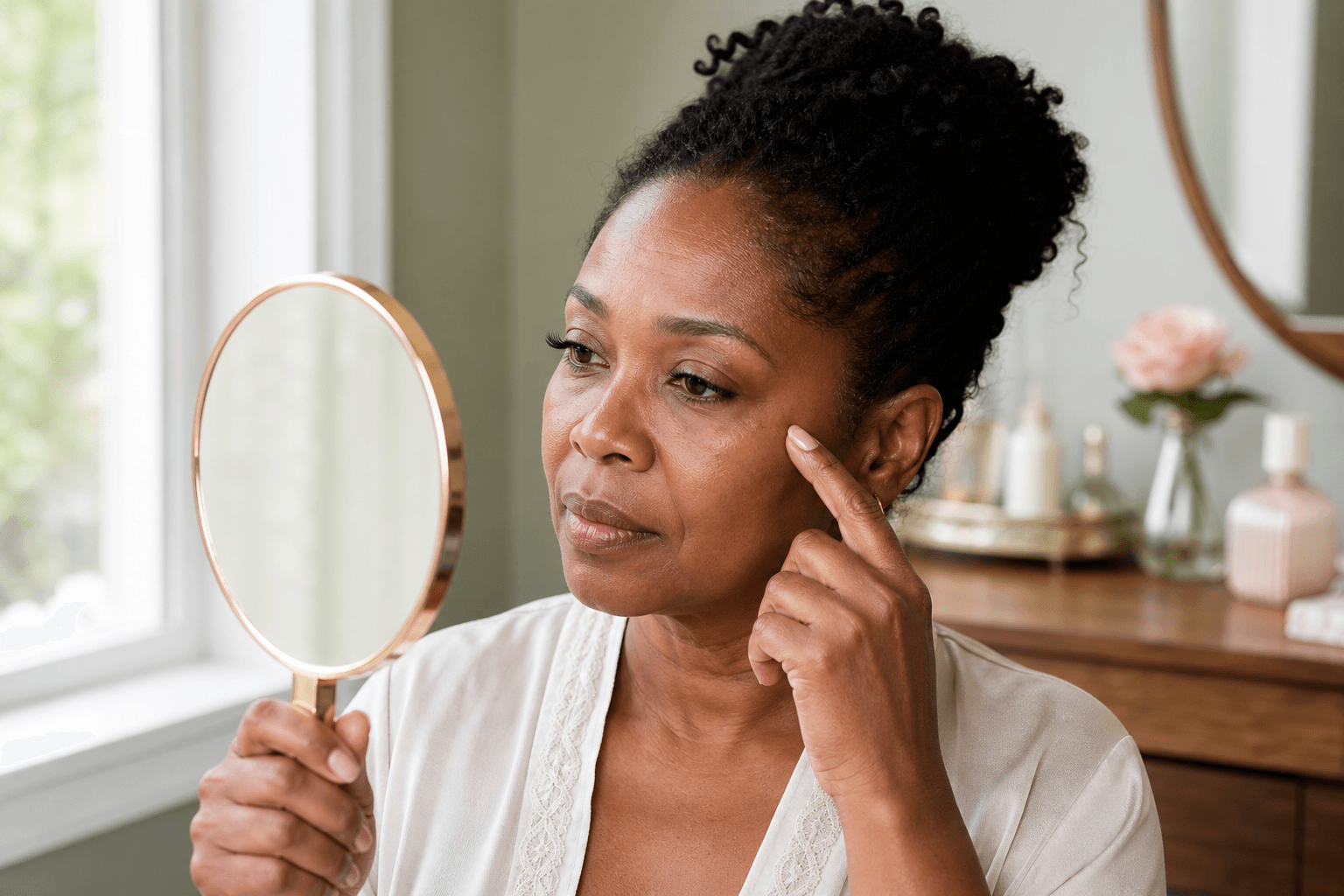
Short answer: symptoms after eyelash extensions can come from allergy, chemical or mechanical irritation, infection or an unrelated eye condition—and the categories can look similar. Stop adding eye cosmetics, do not rub or attempt DIY removal, document the timing and contact the lash provider. Significant pain, light sensitivity, vision change, chemical exposure or rapidly worsening swelling needs prompt eye care.
Why symptoms do not name the cause
Itching and eyelid swelling may occur with an allergic contact reaction. Burning, tearing or a gritty feeling may follow irritation to the eye surface. Discharge, increasing pain or spreading redness may raise concern for infection. But these are patterns, not a home diagnostic test: allergy can burn, irritation can look red and infection may begin subtly.
A 2012 retrospective study described people who sought ophthalmic care after eyelash extensions and included keratoconjunctivitis, allergic blepharitis and tape-related injury among the diagnoses. It shows that more than one mechanism is possible; it does not tell an individual reader what condition they have.
Use timing as evidence—not proof
Record when symptoms began: during application, a few hours later, the next morning or days afterward. Note whether one or both eyes are affected and whether the main problem is eyelid skin, the lash line or the eye itself. Delayed onset can occur with allergy, but timing alone cannot rule infection or injury in or out.
What to do immediately
- Stop eye makeup and any new eye-area products.
- Do not rub, pick, pull or use tweezers on extensions.
- Do not put adhesive remover, skin creams, essential oils or another person’s eye drops into the eye.
- Photograph the area in clear light and write down the timeline, products used and any contact-lens wear.
- Contact the provider so the service record and adhesive, tape and pad products can be identified.
- Contact an optometrist, ophthalmologist or other healthcare professional when symptoms persist, worsen or involve the eye itself.
Removal is not a DIY first-aid procedure
Pulling can damage natural lashes, while remover used near an open or inflamed eye can add chemical exposure. Whether and when professional removal is appropriate depends on symptoms and medical advice. If a clinician recommends removal, coordinate it rather than improvising at home. See our professional lash-removal guide.
Red flags that should not wait for a salon reply
- Vision change, significant pain or strong light sensitivity
- Chemical remover or adhesive in the eye
- Trouble opening the eye, marked swelling or rapidly worsening symptoms
- Thick discharge, fever or spreading redness and warmth
- Facial swelling, wheezing or trouble breathing—call emergency services
FDA advises stopping an irritating eye cosmetic and contacting a healthcare provider for a bad reaction. Serious or unexpected cosmetic reactions may also be reported to FDA, but a report is not a substitute for care.
Before considering extensions again
Do not rebook while the eye or surrounding skin is inflamed. Ask the clinician what diagnosis was made, what ingredients or exposures should be avoided and whether further evaluation is needed. “Sensitive adhesive,” “medical grade” or “hypoallergenic” wording cannot guarantee that another exposure will be safe.
At a future consultation, request ingredient information, explain the prior reaction and review tape, pads, cleanser and adhesive—not only the extensions. A patch test may have limits and cannot guarantee that the eye area will tolerate a complete service. Our sensitive-eyes consultation guide covers those questions.
Frequently asked questions
Can a photo distinguish allergy from infection?
No. Overlapping symptoms and eye-surface involvement may require an in-person examination.
Should the extensions come off immediately?
Do not pull or use remover yourself. Seek case-specific guidance from the provider and a healthcare professional, especially for significant symptoms.
Can I take an antihistamine or use steroid drops?
This article cannot prescribe treatment. Eye drops and medicines have contraindications and can obscure or worsen some problems; ask a qualified clinician who can assess you.
Sources and editorial note
- U.S. FDA: Eye Cosmetic Safety — checked September 4, 2026
- U.S. FDA: How to Report a Cosmetic Product Related Complaint — updated March 11, 2026; checked September 4, 2026
- Amano et al.: Ocular disorders due to eyelash extensions — 2012; checked September 4, 2026
- University of Utah Health: Are Eyelash Extensions Safe? — checked September 4, 2026
Editorial note: Same-day search results included a new August 29, 2026 allergy-versus-irritation explainer and repeated community questions. Those sources established demand only; medical and safety statements were checked against FDA, academic health and peer-reviewed sources.
Medical disclaimer: Educational only, not medical advice, diagnosis or treatment for an eye or eyelid condition.