FACIALS · IS IT WORTH IT?
Is microdermabrasion worth it?
It polishes the surface. It doesn't sand away the years.
A wand with a diamond tip, a gentle vacuum, and the very top layer of your skin. Microdermabrasion has been on spa menus for decades, and it still gets sold as everything from a quick glow to a collagen booster. The science is more modest and more useful than either. Here is what it can do, what it can't, what the studies actually found, who should skip it, and how to decide if it's worth your money before the holidays.

Short answer: microdermabrasion is worth it when you want a smoother, brighter-feeling surface and help with mild texture, dullness or blackheads, and you are willing to do a series: the American Academy of Dermatology (AAD) says most patients receive 5 to 16 treatments and that results are temporary. It is not a fix for deep acne scars, deep wrinkles or sagging. The research on collagen is real but small: in one University of Michigan study, new collagen rose in only 2 of 11 people after one treatment. Downtime is usually a day or two of pinkness, sometimes several days of flaking. Skip it, or see a dermatologist first, if you have taken isotretinoin recently, get cold sores, scar easily, have a changing mole, or have active rosacea, eczema, psoriasis or acne.
The week before the party, and the wand that promises a glow
It is late November. Thanksgiving is next week, the holiday photos start soon after, and your skin looks the way skin looks at the end of a long year: a little dull, a little rough along the cheeks, a few blackheads that seem to have signed a lease on your nose. Somewhere on a menu, a “diamond” facial is offering to fix all of that in 40 minutes.
Some of that promise is fair. Some of it isn't. Microdermabrasion is one of the oldest, most studied in-office exfoliation treatments, and dermatology groups describe it as low-risk when it's done well. But “low-risk” and “transformative” are different words, and the gap between them is where people lose money, or end up with a red, flaky face the night of the party.
What microdermabrasion actually is: crystals, a diamond tip and a vacuum
The AAD describes it simply: a handheld device “gently removes the top layer of skin.” Patients say it feels like sanding, not pain. A full face takes about 30 to 40 minutes, the neck about 20.
There are two classic versions. Cleveland Clinic explains that crystal microdermabrasion sprays tiny crystals through a tube across the skin while the device vacuums up the crystals and loosened cells. Diamond-tip microdermabrasion uses a wand with a rough diamond surface instead; Cleveland Clinic compares it to an electric sander, “but it's much, much gentler.” The Aesthetic Society adds that a diamond tip is safer to use closer to the eyes and gives more flexibility on sensitive areas, because there are no loose crystals.
Either way, the target is the outermost layer of the epidermis, the layer of dead cells that makes skin look dull and feel rough. That is both the strength and the limit of the treatment. It works on the surface. Problems that live deeper, like a pitted acne scar or a fold that comes from volume loss, sit below where the wand reaches.
What it can help, and what it can't
Cleveland Clinic lists the concerns people commonly treat with microdermabrasion: age spots, enlarged pores and blackheads, fine lines, mild acne scars, uneven tone, stretch marks and sun damage. Healthdirect, Australia's government health information service, says it is “usually effective” for fine wrinkles and minor acne scarring after multiple sessions, but may be less effective than chemical peels and laser resurfacing.
| Your goal | Realistic with microdermabrasion? |
|---|---|
| Dull, rough-feeling skin before an event | Yes. Skin often feels softer after the first session, per Cleveland Clinic. |
| Blackheads and a congested-looking nose | Can help as part of a facial plan; it does not replace a good cleanse and gentle extractions. |
| Fine lines and mild uneven tone | Modest, gradual improvement over a series; maintenance needed. |
| Shallow, minor acne scars | Modest at best; a 2026 narrative review rates it moderate as a stand-alone treatment. |
| Deep or pitted acne scars, deep wrinkles, sagging | No. These need a conversation with a dermatologist about other options. |
| Active, inflamed acne | Not now. ASDS lists active acne as a reason to skip. |
The collagen question: what the Michigan studies really found
Menus love the word collagen. The best evidence for it comes from two studies by the same University of Michigan team, and both are worth reading closely before you pay for the promise.
In 2005, Darius Karimipour, John Voorhees, Gary Fisher and colleagues published a study in the Journal of the American Academy of Dermatology. Forty-nine people had a single microdermabrasion treatment on buttock skin, and the researchers took biopsies over the following days. They found a rapid rise in inflammatory and wound-healing signals, including enzymes that remodel skin. The stratum corneum, the outer dead layer, did not measurably thin. And type I procollagen, the building block of new collagen, rose at 14 days in only 2 of 11 subjects they checked. Their conclusion: microdermabrasion “activates a dermal remodeling/wound healing cascade with minimal epidermal disruption,” and the number and timing of sessions needed more study.
In October 2009, the same group reported in Archives of Dermatology on 40 adults aged 50 to 83 with sun-damaged arm skin. Each was treated with a diamond-studded handpiece, either coarse grit or medium grit. With the coarse grit, the skin produced markers of wound healing and collagen production. With the medium grit, those changes were not seen. All participants had mild redness that typically lasted less than two hours.
So the honest summary is: microdermabrasion can nudge the skin's repair machinery, especially with a coarser, more aggressive setting, in older sun-damaged skin, in a research setting. That is not the same as a gentle 40-minute glow facial building visible collagen in everyone. If someone promises you collagen, ask what device, what grit and what evidence.
What happens after: the honest downtime
- Pink or red skin and mild swelling for a day or two, like a sunburn or windburn (AAD); Cleveland Clinic says up to 24 hours.
- Flaky, dry skin for several days, according to the American Society of Plastic Surgeons (ASPS).
- Bruising from the suction, which ASPS says may last several days, and occasionally burning, stinging or extra sun sensitivity (AAD).
- Discoloration or darkened skin is on Cleveland Clinic's risk list, and the AAD says people who tend to get dark spots after acne or injury carry greater risk.
- Infection, eye irritation and cold-sore flare-ups are listed by Healthdirect, which is why a herpes history matters.
The AAD says that when a dermatologist performs it, microdermabrasion has “an excellent safety record,” and that salon and non-medical spa use carries more risk. That is not a reason to fear a spa; it is a reason to ask who is holding the wand and what they will do if your skin reacts.
The California rule most people never hear about
In California, estheticians and cosmetologists work within limits set by the Board of Barbering and Cosmetology. In an August 7, 2023 industry bulletin on skin care machines, the Board says it does not approve or regulate equipment, and that its licensees may not perform invasive procedures that remove, destroy, incise or pierce skin beyond the epidermis. It lists results that put a device out of scope for its licensees, including bleeding, bruising, swelling, inflammation, oozing, scabbing and heating or burning of the skin, and it tells licensees to check a device's FDA registration and classification before using it.
For you, that turns into one practical rule: in a salon setting, a session that leaves you bleeding, oozing or scabbed has gone past the line. “That means it's working” is not an acceptable answer. The Board's chemical exfoliation safety tips (revised March 2025) also list recent microdermabrasion as a reason to be cautious before a chemical peel, so don't stack the two in the same week unless a professional has planned it.
For context on the machines themselves, the FDA's device database lists a powered dermabrasion brush as a Class I device, exempt from premarket 510(k) review, under 21 CFR 878.4820. In plain English: the agency treats this category as low-risk, and it does not review it to prove cosmetic results. The evidence for results comes from studies, not from the box.
The seven mistakes that waste the money (or the skin)
- Expecting one session to fix scars or wrinkles. The AAD says most people need a series and that results are temporary. One session is a polish, not a plan.
- Booking the first one the day before the party. Redness can last a day or two and flaking several days. Try your first session at least a week before photos, ideally two.
- Keeping your retinoid running. The American Society for Dermatologic Surgery (ASDS) advises stopping exfoliating creams, especially prescription tretinoin or acne products, for three days before, and avoiding prescription retinoids for three to seven days after.
- Going in with a flare. Active rosacea, eczema, psoriasis, inflamed acne, an open sore, a sunburn or a cold sore are reasons to reschedule, per ASDS, Cleveland Clinic and Healthdirect. Our rosacea facial guide explains why coarse exfoliation is on the skip list.
- Waxing or tanning around it. ASDS advises avoiding waxing and sun right before and immediately after, and direct sun for at least seven days.
- Calling bruising or scabbing “normal.” Bruising from suction can happen, but in California a salon device that produces bleeding, bruising, oozing or scabbing is outside what the beauty board allows. Speak up during the session.
- Treating dark spots without a plan for pigment. If you get dark marks after pimples or scrapes, the AAD says you carry greater risk of new discoloration. Ask how the session will be adjusted, and wear sunscreen daily.
Who should skip it, and when to see a dermatologist first
- Isotretinoin. The AAD says to see a dermatologist first if you have taken it, with higher risk of complications including scarring if taken within the past 6 months. A 2026 narrative review in the Journal of Cosmetic Dermatology (Beutler and colleagues, covered by Dermatology Times on May 4, 2026) cites multicenter data suggesting microdermabrasion can be safe during or soon after isotretinoin. Those two statements are why this is your dermatologist's call, not a menu's.
- A mole or spot that is growing, bleeding or changing. Get it checked before anyone exfoliates over it (AAD, Cleveland Clinic).
- Scarring easily or a history of keloids (AAD, Healthdirect).
- Cold sores. ASDS says people prone to them may not be good candidates unless treated with antiviral therapy by a doctor.
- Active rosacea, fragile capillaries, eczema, psoriasis, lupus, warts, uncontrolled diabetes, a skin infection such as impetigo, or a bleeding disorder (ASDS, Cleveland Clinic, Healthdirect).
Call a doctor if, after any exfoliating treatment, you have spreading redness, warmth, pus, fever, blisters, a cold-sore outbreak, eye pain or irritation that doesn't settle, or dark patches that keep spreading.
Questions to ask before you book
| Ask | Why it matters |
|---|---|
| Is this crystal, diamond-tip, or a different exfoliation method? | “Diamond” on a menu can be a name, not a method. Know what will touch your skin. |
| Who performs it, and what is their license? | The AAD says salon and non-medical spa use carries more risk; California limits what beauty licensees may do. |
| What should I stop beforehand, and for how long? | Retinoids, exfoliating acids, waxing and sun all change how your skin reacts (ASDS). |
| How many sessions do you expect for my goal, and how far apart? | AAD: 5 to 16 treatments for most; spacing from weekly to monthly. |
| What will you do differently because I get dark spots, cold sores or sensitive skin? | A good provider adjusts pressure, passes and aftercare, or suggests a different treatment. |
| What is normal afterward, and what means I should call you? | Pinkness for a day is normal. Oozing, blistering or spreading redness is not. |
What it costs, and how to judge the value
The ASPS says the average cost of skin resurfacing procedures “like microdermabrasion” is $1,829, a figure that covers a broad category and excludes related expenses, so treat it as a ceiling for comparison rather than a typical spa price. Its 2024 statistics count 3,703,305 skin resurfacing procedures in the U.S., up 6% from 3,501,696 in 2023, but that category also includes chemical peels, dermabrasion and lasers, so no one can tell you from that report how many were microdermabrasion.
The useful math is per goal, not per visit. If a series of five to sixteen sessions is what the AAD describes for most patients, multiply the session price by the number your provider expects, then add maintenance. If that number buys you smoother, brighter skin you enjoy, it can be worth it. If what you want is a scar or a wrinkle gone, the same money is better spent on a consultation about treatments that reach deeper. Our facial cost guide and facial vs. chemical peel guide walk through those trade-offs.
What a good result looks like
Picture the realistic version. The day after your session, your cheeks feel soft under your fingertips and foundation sits flatter instead of catching on dry patches. A little pinkness is gone by lunch. Over a few spaced visits, the roughness along your jaw fades and your nose looks less crowded. Nobody asks what you had done; they ask if you slept well. Then you keep it with the boring, effective things: a gentle cleanser, a plain moisturizer and sunscreen every morning, even on the cool, clear days of an Orange County winter.
Here in Santa Ana, the dry, gusty Santa Ana wind days that tend to come in fall and winter can leave freshly exfoliated skin feeling tight, so plan sessions away from a windy stretch when you can and keep a fragrance-free moisturizer close; our Santa Ana winds skin guide and over-exfoliation guide explain why.
How we approach exfoliation at Enclave
At Enclave Beauty in Santa Ana, our menu does not list a service called microdermabrasion. If smoother texture is the goal, the closest options on our facials menu are the Dermaplaning Facial, from $110, a precision surface exfoliation that also removes fine vellus hair (our dermaplaning guide explains it), and the Diamond Deep-Clean Facial, from $135, a deep-cleansing facial focused on lifting surface buildup. For congestion there is the Acne & Detox Facial from $135. Ask us at your consultation exactly which steps a session includes and whether it suits your skin this week. If you're coming from Garden Grove, Westminster or Costa Mesa ahead of the holidays, book a free 45-minute skin consultation first. If something on your skin needs a dermatologist, we will tell you so.
Questions people ask
Is microdermabrasion worth it?
It can be, if you want what it actually does: a smoother, brighter-feeling surface, help with mild texture, dullness and some blackheads, and a gentle start for people who aren't ready for stronger treatments. The American Academy of Dermatology says most people need a series of treatments and that results are temporary. It is not the right tool for deep acne scars, deep wrinkles or sagging, and Healthdirect notes it may be less effective than chemical peels and laser resurfacing.
How many microdermabrasion sessions do I need?
The AAD says most patients receive between 5 and 16 treatments, weekly, every two weeks or monthly depending on the goal, and that most people can safely have another treatment a week later. Cleveland Clinic says most people get one to four treatments a month, with results building over time and monthly maintenance after.
Is diamond microdermabrasion better than crystal?
They are two ways to do the same job. Crystal microdermabrasion sprays fine crystals across the skin and vacuums them up with the loosened cells; diamond-tip microdermabrasion uses a wand with a rough diamond surface, which Cleveland Clinic compares to a much, much gentler electric sander. The Aesthetic Society says the diamond tip is safer to use closer to the eyes and offers more flexibility in sensitive areas. Neither one reaches deep scars.
Does microdermabrasion build collagen?
The honest answer is: a little, in some people, under some conditions. In a 2005 University of Michigan study in the Journal of the American Academy of Dermatology, one treatment triggered a rapid wound-healing signal in the skin, but new collagen (type I procollagen) rose in only 2 of 11 subjects at 14 days. A 2009 study in Archives of Dermatology found collagen-building signals after a coarse diamond-grit handpiece, but not after a medium grit. Treat collagen claims on a menu as a maybe, not a promise.
How long is the downtime after microdermabrasion?
Usually very little. The AAD says skin may look pink or red with mild swelling, like a sunburn or windburn, for a day or two; Cleveland Clinic says red, swollen or sensitive skin for up to 24 hours; the American Society of Plastic Surgeons says skin can be flaky and dry for several days and that suction can cause bruising that lasts several days. Plan a first session at least a week before photos or an event.
Who should not get microdermabrasion?
Talk to a dermatologist first if you have taken isotretinoin (the AAD flags the past 6 months), scar easily or form keloids, get cold sores, have a mole or spot that is growing, bleeding or changing, or have active rosacea, eczema, psoriasis, active acne, warts, open sores, sunburn, a skin infection, lupus, uncontrolled diabetes or a bleeding disorder. These come from AAD, ASDS, Cleveland Clinic and Healthdirect guidance.
Can microdermabrasion remove dark spots?
It can help some surface discoloration look more even over a series, but people who tend to get dark spots after acne or injury carry a greater risk of new discoloration, according to the AAD. Daily sunscreen matters more than the machine. If a spot is changing, bleeding or growing, see a dermatologist before any exfoliating treatment.
Sources and evidence note
- American Academy of Dermatology — Microdermabrasion: FAQs (no date shown; read November 20, 2026; top layer; 30–40 minutes; 5–16 treatments; a week between for most; redness for a day or two; dark-spot-prone skin; isotretinoin within 6 months; excellent safety record with a dermatologist; salon and spa use carries more risk)
- American Academy of Dermatology — Microdermabrasion: Preparation (read November 20, 2026; tell your dermatologist about cold sores, easy scarring and isotretinoin)
- Cleveland Clinic — Microdermabrasion (last updated July 12, 2023; read November 20, 2026; crystal vs. diamond; who should talk to a provider first; risks; 1–4 treatments a month)
- The Aesthetic Society — Microdermabrasion: detailed procedure information (May 26, 2020; diamond tip safer near the eyes; read November 20, 2026)
- American Society for Dermatologic Surgery — Microdermabrasion (no date shown; read November 20, 2026; poor candidates; stop tretinoin 3 days before; sun 7 days after; retinoids 3–7 days after)
- American Society of Plastic Surgeons — Microdermabrasion risks and safety and cost (no date shown; read November 20, 2026; flaking for several days; bruising from suction; $1,829 average for skin resurfacing procedures)
- American Society of Plastic Surgeons — 2024 Procedural Statistics (skin resurfacing, a combined category: 3,703,305 in 2024 vs. 3,501,696 in 2023, +6%; read November 20, 2026)
- Healthdirect Australia — Microdermabrasion (last reviewed March 2024; read November 20, 2026; who should not have it; may be less effective than peels and laser resurfacing)
- Karimipour DJ, Kang S, Johnson TM, Orringer JS, Hamilton T, Hammerberg C, Voorhees JJ, Fisher G. Microdermabrasion: a molecular analysis following a single treatment. J Am Acad Dermatol. 2005;52(2):215–223 (49 subjects; procollagen increased in 2 of 11 at 14 days; read November 20, 2026)
- EurekAlert / JAMA and Archives Journals — Aggressive microdermabrasion induces wound-healing response in aging skin (October 19, 2009; Karimipour et al., Arch Dermatol. 2009;145(10):1114–1122; 40 adults aged 50–83; coarse vs. medium diamond grit; redness under two hours; read November 20, 2026)
- Dermatology Times — Cosmetic procedures show clinical value as adjuncts in acne management (May 4, 2026; on Beutler K, Nowicka D, Gold MH, Chilicka-Hebel K, J Cosmet Dermatol. 2026;25(4):e70832; read November 20, 2026)
- California Board of Barbering and Cosmetology — Industry Bulletin: Skin Care Machines/Devices (August 7, 2023; read November 20, 2026) and Chemical Exfoliation Safety Tips (revised March 2025)
- U.S. FDA — Product classification: brush, dermabrasion, powered (21 CFR 878.4820) (Class I, 510(k) exempt; read November 20, 2026)
- Enclave Beauty — Services (Dermaplaning Facial $110; Diamond Deep-Clean Facial $135; Acne & Detox Facial $135; free consultation; checked November 20, 2026; prices may change)
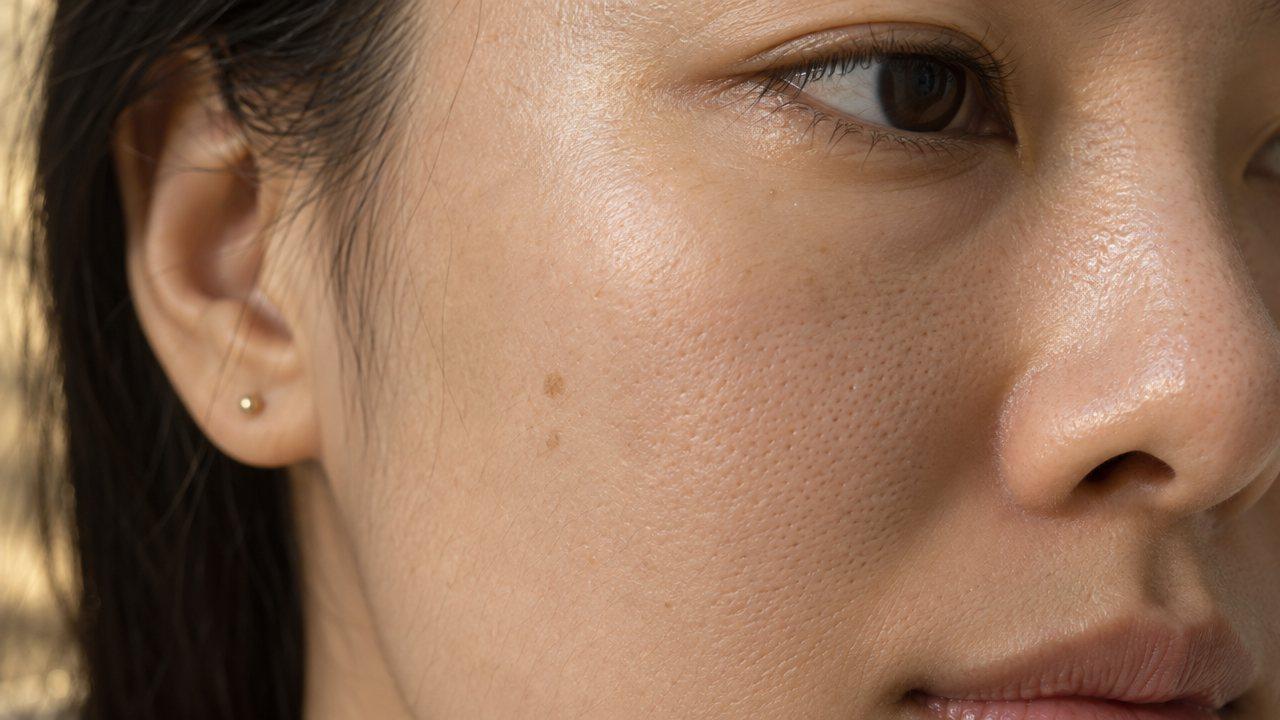
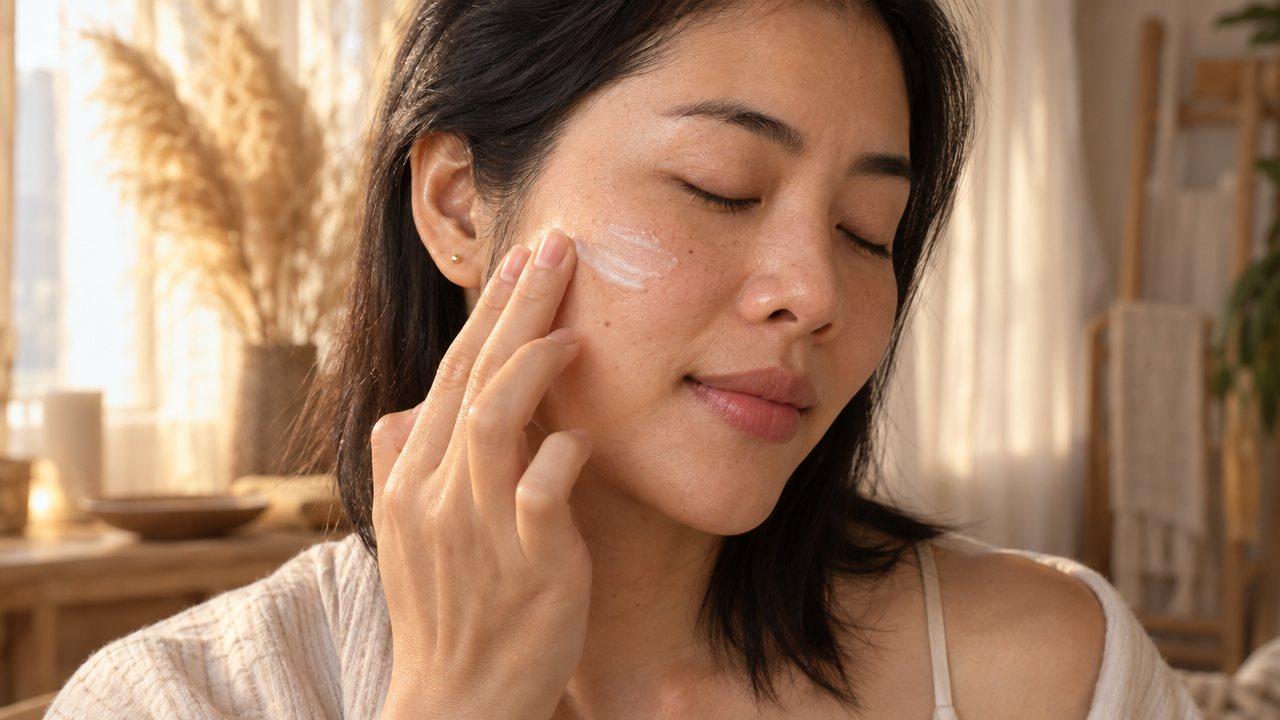
Evidence note: Photos in this guide are styled illustrations; they do not show Enclave clients or treatment results. The collagen studies are small, were done by one research group, and used buttock or arm skin rather than faces, so we describe what they found rather than promising outcomes. The PubMed pages for the 2005 and 2009 studies and the StatPearls microdermabrasion chapter showed a browser check and could not be read; we used the Johns Hopkins publication record for the 2005 abstract and the official 2009 press release instead, and did not use archive, cache or mirror copies of any source. The ASPS cost figure covers skin resurfacing broadly and its page does not state the year.
Medical disclaimer: This article is educational and is not medical advice, diagnosis or treatment. Enclave Beauty services do not replace care from a licensed medical professional.