CHEMICAL PEELS · AFTERCARE
Chemical peel aftercare:
makeup, sunscreen and healing.
Peel depth and the condition of your skin matter more than a one-size-fits-all waiting period.
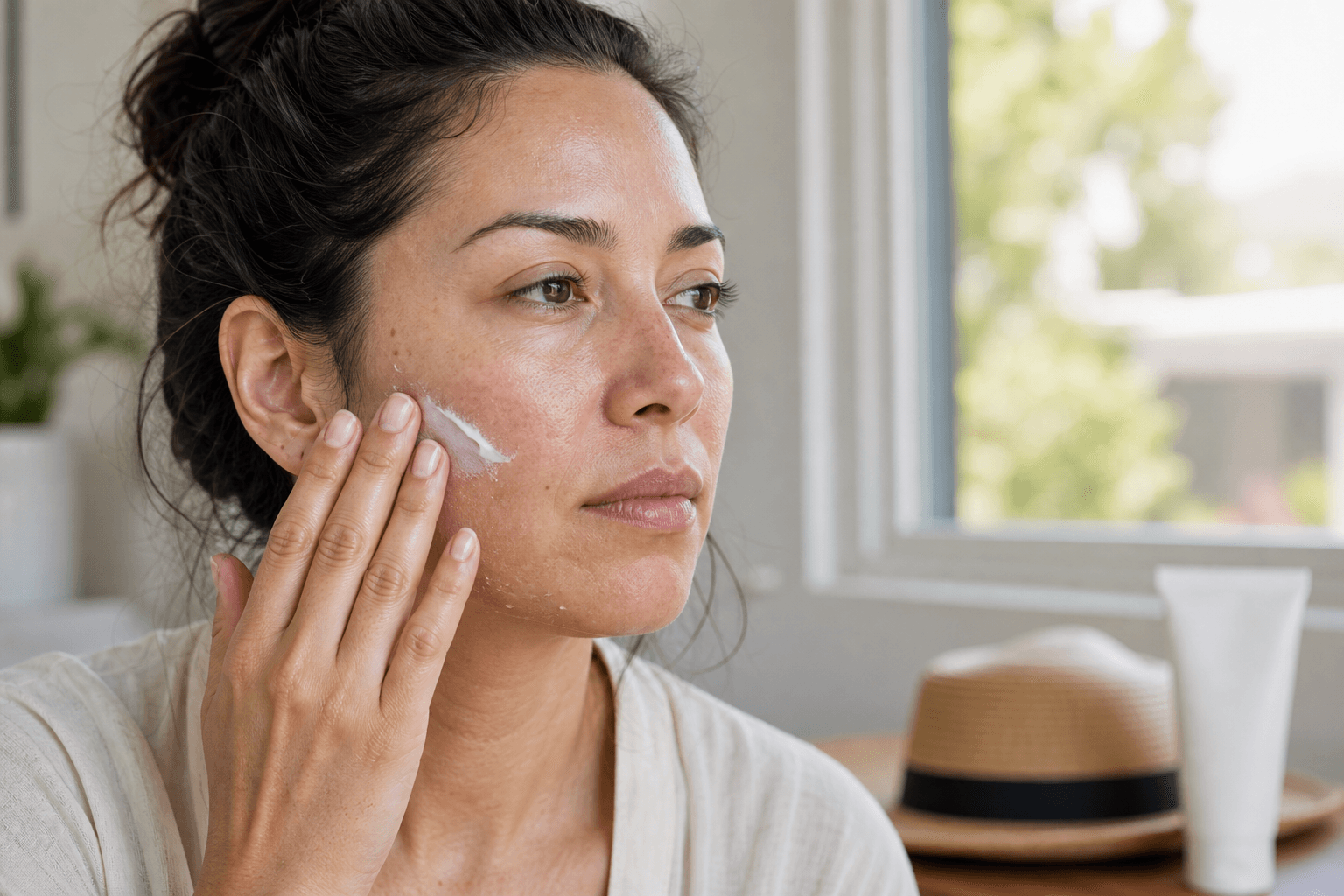
Short answer: do not use a generic “24-hour” rule for every peel. Light and deeper peels have different recovery needs. Follow the instructions from the professional who knows the product, depth and your skin; do not apply makeup over raw, blistered, crusted or actively irritated skin.
Why aftercare instructions differ
“Chemical peel” covers a broad range of procedures. The American Academy of Dermatology notes that recovery varies by peel depth. That is why current medical instruction sheets disagree about when makeup can resume: they are often describing different peels and different patients, not contradicting one universal standard.
The first priorities
- Use the prescribed or recommended routine: products may be part of a specific peel protocol.
- Cleanse gently: avoid scrubbing, brushes and hot water.
- Moisturize as directed: support comfort without layering unapproved actives.
- Do not pick: allow flaking skin to detach on its own.
- Plan sun avoidance: shade, hats and provider-approved broad-spectrum sunscreen matter in Orange County.
When can makeup return?
Ask the treating provider. A light peel with smooth, intact skin may have a shorter makeup pause than a deeper peel. University of Mississippi Medical Center guidance allows water-based hypoallergenic makeup when skin is smooth and free of crusts, while other medical protocols wait longer. The visible condition of the skin and the actual peel take priority over an internet timer.
Makeup is not appropriate over oozing, blistered, crusted, very tender or broken skin. Brushes and sponges should be clean, and application should not require rubbing away flakes.
How to think about sunscreen after a peel
AAD and Cleveland Clinic emphasize sun protection in chemical-peel care. Use the sunscreen specified by the treating provider, especially when the peel protocol includes a post-care kit or temporary product restrictions. Add shade, a wide-brim hat and reduced direct exposure rather than relying on sunscreen alone.
For routine application technique once your clinician approves it, see our Orange County sunscreen guide.
Pause the active-ingredient stack
Do not restart retinoids, scrubs, alpha-hydroxy acids, beta-hydroxy acids, benzoyl peroxide or other potentially irritating products on your own schedule. Wait until the skin has recovered and the treating provider gives a plan. “No visible peeling” does not automatically mean the barrier is ready for every active.
Normal recovery versus a warning sign
Temporary tightness, dryness, redness and flaking may occur, depending on the peel. Contact the treating provider for worsening pain, marked swelling, blisters, spreading redness, pus, fever, eye involvement or healing that is not following the expected course. Prompt dermatology or urgent medical assessment may be appropriate; a salon cannot diagnose infection or a burn.
Plan before the appointment
Ask for written instructions before treatment: the peel name and depth, expected downtime, cleansing and moisturizer plan, sunscreen directions, makeup timing, when to restart prescriptions or actives, and who to contact after hours. Review our chemical peel preparation checklist before booking.
Frequently asked questions
Can I speed up peeling?
No. Picking, scrubbing or adding acids can injure healing skin.
Can I exercise after a peel?
Heat, sweating and friction may irritate recovering skin. Follow the provider’s procedure-specific timing.
What if my makeup stings?
Remove it gently and contact the treating provider. Stinging suggests the skin may not be ready or the product may be irritating.
Sources and editorial note
- American Academy of Dermatology: Chemical peels FAQs — checked August 31, 2026
- Cleveland Clinic: Chemical peel safety and aftercare — reviewed May 24, 2023
- DermNet: Chemical peels — updated November 2023
- University of Mississippi Medical Center: Postoperative peel care — checked August 31, 2026
Editorial note: Live search showed conflicting fixed makeup timelines. The article explains that this reflects differing peel depths and protocols rather than endorsing one countdown.
Medical disclaimer: Educational only, not medical advice or a diagnosis.