LASH LIBRARY · MAPPING & EYE EMPHASIS
Cat-eye vs. kitten vs. doll lashes:
where the map places emphasis.
A map is a length pattern—not a promise that one template will flatter every person or recreate a reference photo exactly.
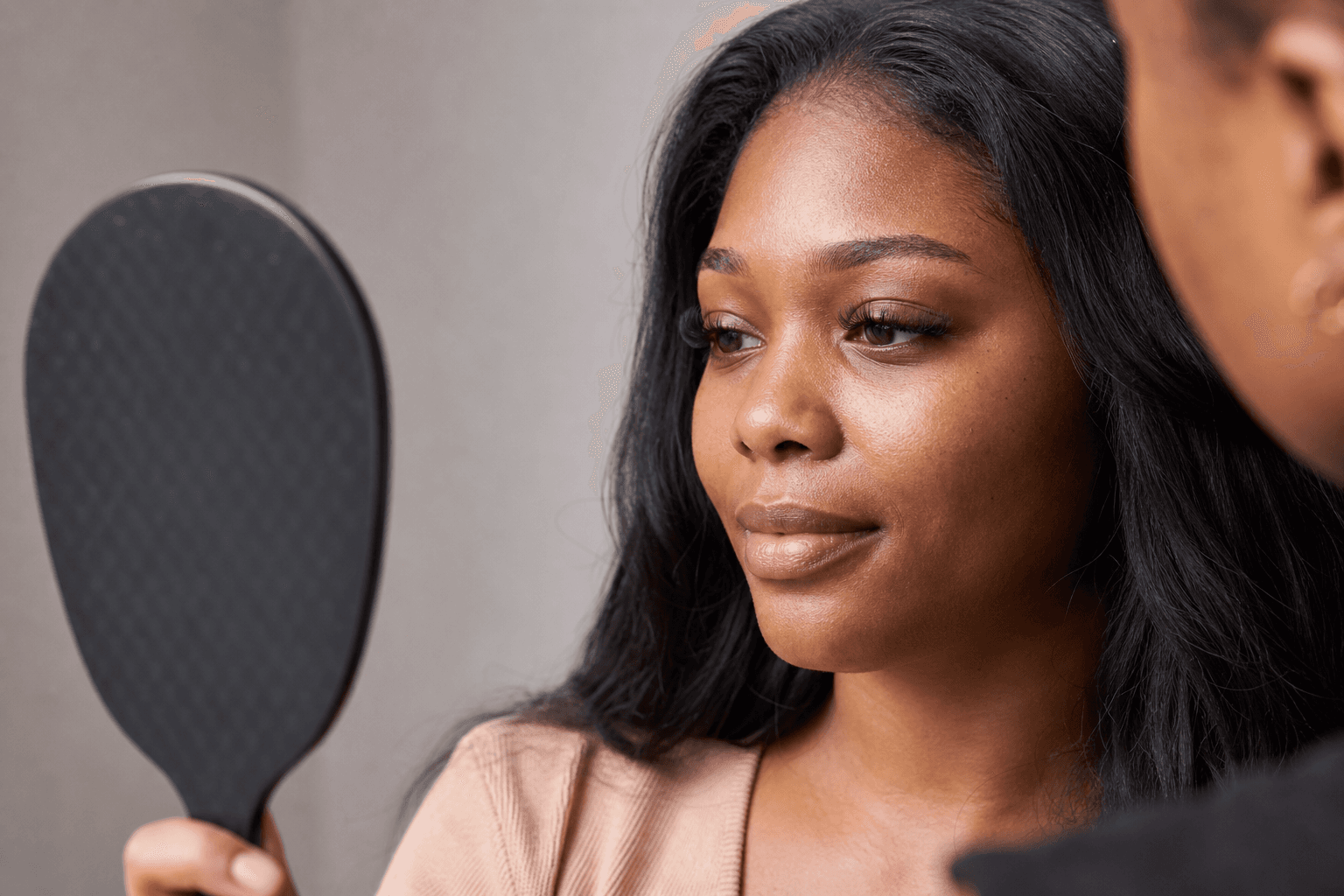
Short answer: cat-eye mapping emphasizes the outer lash line, kitten mapping peaks just before the outer corner, and doll/open-eye mapping places the strongest length nearer the center. Curl, density, texture and natural lash direction can change the effect as much as the length map.
Cat-eye: outer emphasis
A cat-eye map usually progresses from shorter inner lengths toward longer outer lengths. It may create a liner-like, elongated impression, but putting the very longest fibers on weak or downward-pointing outer lashes can feel heavy or visually pull the edge down. A tailored cat eye may shorten the final section or change curl rather than following a rigid chart.
Kitten: a softer peak before the edge
Kitten mapping typically reaches its longest point around the outer third, then tapers slightly at the corner. This can preserve outer emphasis without placing maximum length on the final lashes. The term is not standardized, so ask the artist to show where the peak will sit.
Doll or open-eye: center emphasis
Doll/open-eye mapping places longer lengths around the central lash line and tapers toward both sides. It can create a more open or rounded impression. That does not mean every round eye “must avoid” it or every hooded eye “needs” it; lid space, brow position, natural lash direction and the client’s preference all matter.
Mapping is different from construction and texture
A cat, kitten or doll map can be built with classic, hybrid or volume construction and can be clean, wispy or wet-set in texture. First decide where you want emphasis; then discuss construction, curl, density and texture. Read ENCLAVE’s classic, hybrid and volume comparison.
Why the same reference photo looks different
- The model may have different natural lash density and direction.
- Eye and lid anatomy changes where lengths appear when the eyes are open.
- The artist may use different curls, diameters or fan sizes.
- Camera angle, makeup, lighting and editing can exaggerate lift or darkness.
- A safe set must stay within the natural lashes’ usable strength and length.
Bring several photos and identify the features you like—outer elongation, central openness, dark lash line, soft texture or visible spikes—instead of requesting an exact copy.
Questions for a Santa Ana lash consultation
- Where will the longest point sit when my eyes are open?
- Will the outer corner taper, and why?
- How will my natural lash direction affect the chosen curl?
- Which lengths or densities are unsuitable for my current lashes?
- Can we choose a softer first set and reassess at the fill?
Do not choose only by ethnicity, age or a selfie label
Terms such as almond, monolid, hooded, round or downturned describe only part of a three-dimensional eye area. They do not determine one correct map. A consultation should consider the person in front of the artist, including comfort, natural lashes, daily eyewear and desired expression—not stereotypes.
Safety overrides the style chart
AAO EyeWiki reports complications including allergic eyelid inflammation, eye-surface irritation and traction-related lash loss. FDA advises stopping eye cosmetics if irritation occurs. A map should never require painful weight or proceed over active redness, swelling or infection. Persistent pain, discharge, light sensitivity or vision changes need an eye-care professional.
Frequently asked questions
Cat-eye or doll-eye: which is better?
Neither is universally better. They place visual emphasis in different areas and should be adjusted to anatomy, natural lashes and preference.
What is kitten mapping?
It usually peaks before the outer corner and then tapers, creating softer outer emphasis.
Can a photo determine my map?
No. It can communicate a goal, but the artist must translate it rather than copy it mechanically.
Sources and editorial note
- U.S. FDA: Eye Cosmetic Safety — updated December 18, 2006
- American Academy of Ophthalmology EyeWiki: Eyelash Extensions — reviewed in 2026
- Ocular disorders due to eyelash extensions — 2012
- Eyelid cosmetic enhancements and associated ocular adverse effects — 2019
Editorial note: Current style guides and community discussions were used to identify consumer vocabulary and recurring questions, not as medical authority or universal styling rules.
Medical disclaimer: Educational only, not medical advice or a diagnosis.